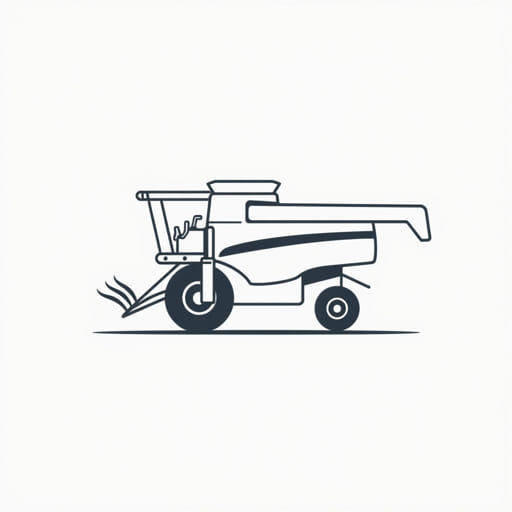
Modern agriculture has evolved rapidly, and one of the most transformative inventions in the field is the combine harvester. This powerful agricultural machine combines three critical harvesting operations reaping, threshing, and winnowing into a single, seamless process. As a result, the combine harvester has significantly increased productivity for farmers while reducing labor and time. Its ability to harvest a variety of crops with speed and precision makes it an essential tool in large-scale farming operations around the world.
Understanding the Combine Harvester
A combine harvester is a multifunctional machine designed to automate and streamline the process of harvesting grain crops. The name ‘combine’ comes from the machine’s ability to combine three key harvesting processes into one. These are:
- Reaping: Cutting the crop and gathering it into the machine.
- Threshing: Separating the grain or seed from the rest of the plant material.
- Winnowing: Cleaning the grain by removing chaff and other impurities.
This machine is often used for crops such as wheat, barley, oats, rye, corn (maize), soybeans, and rice, though newer models are equipped to handle an even broader variety of plants.
Main Uses of a Combine Harvester
1. Efficient Harvesting of Grains
The most common use of a combine harvester is to efficiently collect grains. This includes staple crops such as:
- Wheat
- Barley
- Oats
- Rye
- Corn (maize)
- Soybeans
- Rice
By combining the three major stages of harvesting, farmers can collect large quantities of these crops in much less time compared to manual or traditional methods. This is especially important during the short window of time when crops reach peak maturity.
2. Reducing Labor Requirements
Before the invention of the combine harvester, harvesting was a labor-intensive process that required many workers. With a combine, a single operator can harvest vast fields in a fraction of the time. This not only saves money but also addresses the challenges of labor shortages in agriculture.
3. Improving Crop Yield and Quality
The precision and speed of a combine harvester reduce the risk of grain loss and damage during harvesting. Crops are collected quickly and efficiently, minimizing exposure to weather-related damage. As a result, farmers can enjoy higher yields and better-quality grain, which leads to improved profits and food security.
Types of Crops Harvested Using Combine Harvesters
Wheat and Barley
These cereal grains are among the most common crops harvested with combine harvesters. The machine cuts the stalks, separates the grains, and collects them in a grain tank while expelling straw and chaff out the back.
Corn (Maize)
Special corn heads are fitted to combine harvesters to deal with the thick stalks and large ears of corn. The machine separates the kernels from the cobs efficiently and deposits the grains for storage or processing.
Rice
In areas where rice is grown, combine harvesters adapted to flooded conditions are used. These machines help in quickly processing rice fields and reduce losses that would occur from manual harvesting methods.
Soybeans
Combines with flexible headers are ideal for soybeans, which grow close to the ground. These headers adjust to the terrain, allowing for a clean harvest and minimal crop loss.
Key Features That Enhance Combine Harvester Use
Header Attachments
Different header types can be fitted to the front of a combine harvester to handle specific crops. For example, draper headers work well for small grains, while corn headers are specialized for row crops like maize.
Threshing and Separation Systems
Advanced threshing mechanisms ensure the grain is separated efficiently without damage. Rotary and hybrid systems are used to increase throughput and handle high crop volumes.
Grain Tank and Unloading Auger
The internal grain tank stores the harvested grain temporarily. When full, it can be unloaded using an auger into a trailer or truck, allowing for continuous harvesting with minimal interruption.
Straw Management
After separating the grain, the remaining straw is expelled. Modern combines can spread, chop, or windrow the straw, depending on the farmer’s needs, such as for animal bedding or composting.
Benefits of Using Combine Harvesters
Increased Efficiency
Combine harvesters significantly speed up the harvesting process. A field that would take days or even weeks to harvest manually can be cleared in a matter of hours.
Reduced Crop Loss
Mechanical harvesting ensures that grains are captured quickly and with minimal waste. Precision systems in the machine reduce seed loss and grain damage.
Cost-Effective in the Long Run
Though the initial investment in a combine harvester is high, the long-term benefits include lower labor costs, higher productivity, and better crop quality. These factors contribute to strong returns over time.
Adaptability to Multiple Crops
Combine harvesters are not limited to one type of crop. With the appropriate headers and settings, they can be used throughout the year for different harvesting seasons, maximizing the utility of the equipment.
Maintenance and Operation Tips
Regular Inspection
Operators should check the combine harvester for wear and tear before and after each use. Blades, belts, filters, and oil levels should be inspected to ensure efficient operation.
Proper Calibration
Adjusting settings for specific crop types helps in improving threshing and separating efficiency. This includes setting reel speed, concave clearance, and fan speed.
Cleaning Between Crops
To prevent contamination between different crop types, especially if switching between grains like barley and wheat, thorough cleaning is necessary.
Training and Safety
Proper training ensures that the combine is used efficiently and safely. Operators should be familiar with the controls, safety features, and emergency procedures.
Environmental Considerations
Modern combine harvesters are designed with sustainability in mind. Improved fuel efficiency, reduced emissions, and advanced residue management systems all contribute to more eco-friendly farming practices. Moreover, precise harvesting minimizes waste and encourages better land use management.
The uses of a combine harvester extend far beyond just cutting and collecting crops. It is a cornerstone of modern agriculture that enhances productivity, reduces labor, and ensures better-quality yields. Whether harvesting wheat in the plains, rice in wet paddies, or corn in row fields, the combine harvester proves its versatility and reliability time and again. As technology continues to evolve, new models are becoming even more efficient, intelligent, and environmentally friendly, cementing the combine harvester’s place as one of the most important tools in agriculture today.