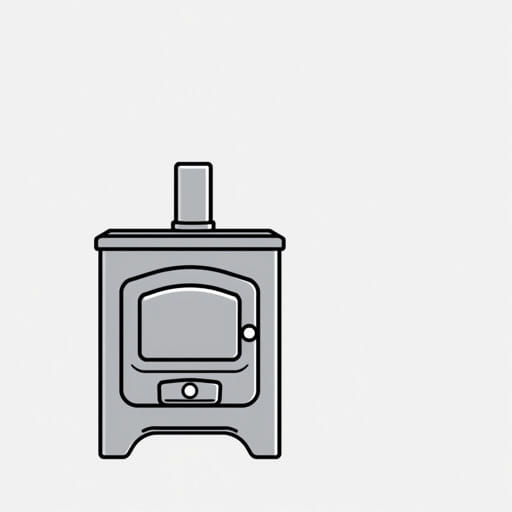
Many homeowners in rural and off-grid areas have long relied on Rayburn cookers not just for preparing meals, but also as a reliable and efficient source of home heating. These traditional cast iron stoves have the ability to heat water and circulate it through radiators, making them a practical centerpiece of a central heating system. Using a Rayburn for central heating combines the comfort of a warm kitchen with the consistent distribution of heat throughout the home, and it offers a unique combination of utility and charm that continues to appeal to many homeowners in 2024.
How Rayburn Works for Central Heating
Combining Cooking and Heating Functions
A Rayburn is primarily a range cooker, but it is engineered with integrated boiler options that enable it to heat water for domestic use and supply warmth through a radiator-based heating system. Depending on the model, it can be configured to provide hot water, central heating, or both, while also serving as an excellent cooker. This dual functionality is what makes Rayburn units particularly attractive in colder climates and remote homes where space efficiency is essential.
Fuel Options for Rayburn Units
Rayburn appliances are available in various fuel types, allowing users to choose what suits their home setup and sustainability goals:
- Solid fuel (wood or coal)
- Oil-fired
- Gas-fired (natural gas or LPG)
- Electric (for modern Rayburn models)
Solid fuel Rayburns are a popular choice for those with access to local wood supplies, while oil-fired and gas-fired models are often preferred for convenience and consistent performance.
System Integration with Radiators and Hot Water
Connecting to Radiators
When configured for central heating, the Rayburn’s boiler connects to a closed-loop system that includes radiators placed throughout the home. As the boiler heats the water, it is circulated through the radiators, distributing warmth evenly across rooms. A thermostat can be included to control the temperature, ensuring efficient and even heating.
Supplying Domestic Hot Water
In addition to heating the home, a Rayburn can be plumbed into a hot water cylinder to supply domestic hot water for showers, taps, and baths. This means homeowners can rely on a single heat source for multiple needs, simplifying their energy system and reducing utility bills over time.
Advantages of Using a Rayburn for Central Heating
Energy Efficiency and Sustainability
Many Rayburn owners appreciate the energy efficiency these units can provide, especially when fueled with renewable or locally sourced materials. When using wood or modern low-emission models, the Rayburn system supports a more sustainable lifestyle with reduced reliance on fossil fuels.
Cost-Effectiveness
Installing a Rayburn may involve upfront costs, especially if retrofitting an existing heating system. However, over the long term, the combined use for cooking, heating, and hot water often results in lower utility bills. For homes already equipped with chimneys or flues, the integration cost may be further reduced.
Reliable Performance in Cold Climates
The robust design and cast iron build of the Rayburn ensure that it continues working efficiently even in the coldest months. For rural properties prone to power outages or fuel supply issues, having a Rayburn that runs on solid fuel can be a valuable backup heating method.
Aesthetic and Homely Appeal
A Rayburn adds rustic charm and character to a kitchen. For many, it is not just a heating appliance but a centerpiece of the home. The visual warmth of a Rayburn combined with its physical heat creates a cozy environment ideal for family gatherings and home life during winter.
Choosing the Right Rayburn Model
Modern Rayburn Models for Central Heating
There are several Rayburn models available that vary in terms of capacity and features. Some are designed to supply heat for small cottages, while others are powerful enough for large family homes. Popular models include:
- Rayburn Heatranger 60 and 80: Compact but efficient for smaller homes
- Rayburn 200 Series: Suitable for cooking and heating small to medium-sized spaces
- Rayburn 400 Series: Ideal for larger homes, offering powerful central heating performance
Things to Consider When Choosing
When selecting a Rayburn for central heating, it’s important to consider:
- The number of radiators to be heated
- Hot water demand for the household
- Available fuel sources
- Space and ventilation in the kitchen
- Installation requirements (flue, chimney, pipework)
Installation and Maintenance
Professional Installation Recommended
Because Rayburn units are both cooking appliances and central heating boilers, it’s recommended to hire a certified installer who understands both plumbing and heating systems. Proper installation ensures safe operation, optimal performance, and compliance with local building regulations.
Regular Servicing
To keep a Rayburn in top working condition, annual servicing is advised, particularly for oil and gas models. This includes checking the flue, cleaning the burners, inspecting seals and valves, and ensuring the water system is functioning properly. Solid fuel models should also be checked for chimney buildup and ash removal regularly.
Living with a Rayburn Heating System
Heating Schedule and Efficiency
Unlike modern boilers that can be set to turn on and off automatically, Rayburns often require manual operation, especially for solid fuel versions. Homeowners should plan a routine that accommodates fueling and temperature control. Some models come with timers or can be integrated with thermostats for more automated control.
Complementary Heating Solutions
In some homes, especially larger properties, a Rayburn may be used in combination with other systems like solar water heaters, wood stoves, or underfloor heating. This can create a hybrid solution that maximizes comfort while balancing energy use across different sources.
Using a Rayburn for central heating remains a popular and practical solution for many households, especially in rural or traditional homes. It provides a multi-functional system that not only heats your living space and water supply but also serves as a reliable cooker. With the variety of models and fuel options available today, there is a Rayburn to suit nearly every home’s heating needs. For those looking for a long-lasting, attractive, and efficient home heating solution, investing in a Rayburn could be the perfect answer.