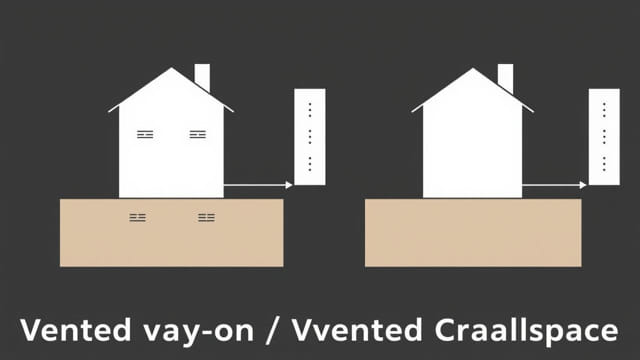
When it comes to home construction or renovation, the crawlspace is an often overlooked yet critically important area. Homeowners and builders alike are increasingly faced with the choice between vented and unvented crawlspaces. Each has its benefits and drawbacks, and understanding the differences between them is key to making the right decision for your home. Whether you’re dealing with moisture control, energy efficiency, or long-term structural health, the debate of vented vs unvented crawlspace is worth exploring in depth.
Understanding Crawlspaces
What Is a Crawlspace?
A crawlspace is a shallow area between the ground and the first floor of a home, often used for access to plumbing, wiring, and HVAC systems. It can vary in height but is generally not tall enough to stand in. This space plays a significant role in the overall energy performance and indoor air quality of a house.
Why Crawlspace Design Matters
The design and condition of a crawlspace affect everything from humidity levels and mold growth to heating and cooling costs. Poorly managed crawlspaces can lead to structural issues, pest infestations, and unhealthy living conditions. Choosing between a vented and unvented system is one of the most impactful decisions in crawlspace design.
Vented Crawlspaces
Definition and Features
A vented crawlspace includes openings or vents in the foundation walls to allow outdoor air to circulate underneath the home. This method has traditionally been used to control moisture by enabling ventilation.
Pros of Vented Crawlspaces
- Cost-effective: Vented designs are generally cheaper to build and maintain.
- Airflow: Outdoor air helps reduce humidity buildup during dry months.
- Easy to access: Simple to enter for inspections and maintenance of underfloor systems.
Cons of Vented Crawlspaces
- Moisture issues: In humid climates, vents can allow damp air in, causing mold and wood rot.
- Energy inefficiency: Cold or hot outside air can infiltrate the home, affecting heating and cooling.
- Pest intrusion: Vents can provide access points for rodents, insects, and other pests.
Unvented Crawlspaces
Definition and Features
An unvented or sealed crawlspace is enclosed and typically includes a vapor barrier and insulation. Sometimes, a dehumidifier or HVAC extension is used to control indoor climate conditions.
Pros of Unvented Crawlspaces
- Moisture control: Better resistance to mold, mildew, and rot.
- Energy efficiency: Less air leakage leads to lower utility bills and more stable indoor temperatures.
- Improved air quality: Fewer allergens and pollutants entering the home from below.
Cons of Unvented Crawlspaces
- Higher upfront cost: Sealing, insulating, and installing dehumidification systems can be expensive.
- Complex installation: Requires professional assessment and precise sealing.
- Ongoing maintenance: Dehumidifiers and other systems need regular upkeep to function effectively.
Climate and Regional Considerations
Impact of Local Weather
The local climate plays a major role in determining whether a vented or unvented crawlspace is best. In humid or wet regions, unvented crawlspaces tend to perform better by keeping moisture out. In drier climates, a vented crawlspace may suffice without introducing mold or structural risks.
Building Code Requirements
Building codes vary by location, and some areas mandate one type over the other. It’s essential to check local regulations and consult with building inspectors before committing to a design choice.
Moisture Management
Controlling Humidity in Vented Crawlspaces
If you opt for a vented crawlspace, moisture barriers on the ground and along walls are crucial. Proper drainage systems, such as French drains or sump pumps, can also help divert water away from the foundation.
Maintaining a Dry Unvented Crawlspace
Sealing all entry points, installing a high-quality vapor barrier, and ensuring adequate mechanical ventilation or dehumidification are key to a successful unvented system. Regular inspections are also vital to detect any signs of condensation or leaks early on.
Energy Efficiency and HVAC Impact
Vented Crawlspace Energy Concerns
Vents allow unconditioned air into the crawlspace, which can affect the efficiency of heating and cooling systems. During winter, cold air under the floor makes indoor heating less effective, and in summer, humid air can strain air conditioning units.
Energy Performance of Unvented Crawlspaces
Unvented crawlspaces maintain a more consistent temperature and humidity level, reducing energy demand. Properly sealed crawlspaces can work with the home’s HVAC system to maintain comfort and lower bills throughout the year.
Pest and Mold Prevention
Risks in Vented Designs
Open vents are potential gateways for insects, rodents, and even snakes. Once inside, pests can nest in insulation or chew through wiring. High moisture levels also promote mold and mildew, posing health risks to occupants.
Sealed Crawlspace Advantages
By eliminating openings, unvented crawlspaces greatly reduce pest entry. With effective vapor barriers and dry conditions, the chances of mold growth are significantly diminished, contributing to a healthier home environment.
Which One Is Better?
Choosing Based on Needs
The right crawlspace for your home depends on your climate, budget, and personal preferences. If you live in a dry, mild climate and are looking to save on construction costs, a vented crawlspace may be sufficient with the right precautions. However, in areas with high humidity or frequent rainfall, an unvented crawlspace offers more control and long-term benefits.
Professional Assessment
Consulting a professional contractor or building inspector can help you understand what’s feasible for your structure. They can evaluate soil conditions, drainage, and potential risks to determine the best solution.
The decision between a vented vs unvented crawlspace has long-term implications for your home’s health, energy use, and maintenance needs. While vented crawlspaces may seem simpler and cheaper upfront, unvented crawlspaces provide superior moisture and energy control when properly installed. Take into account your regional climate, budget, and long-term goals to make an informed decision that supports the longevity and comfort of your home.