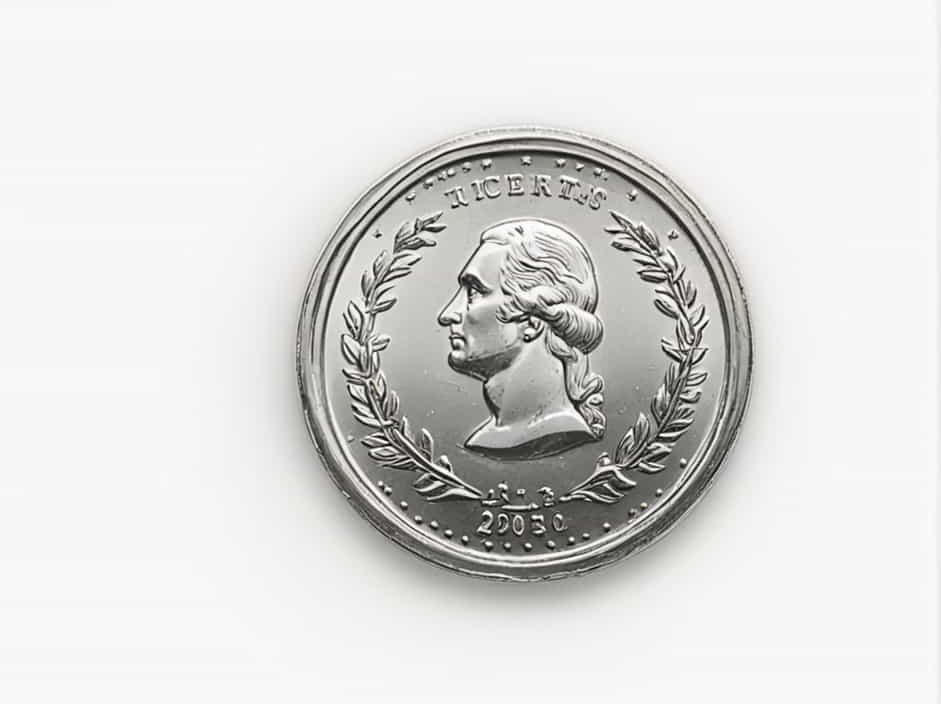
The Bicentennial Quarter holds a special place in the hearts of coin collectors and American history enthusiasts. Minted to commemorate the 200th anniversary of the United States’ independence in 1976, this unique quarter features a distinctive design that sets it apart from regular Washington quarters. Many people wonder: what is a Bicentennial Quarter worth today? In this topic, we will explore the history, value, rare varieties, and what factors affect the price of a Bicentennial Quarter.
The History of the Bicentennial Quarter
The U.S. Mint produced the Bicentennial Quarter in 1975 and 1976. Instead of the usual eagle design on the reverse, this quarter features a colonial drummer boy, designed by Jack L. Ahr, with a torch surrounded by thirteen stars. The obverse retains the familiar portrait of George Washington but has the dual date “1776-1976” to mark the bicentennial of American independence.
Millions of these quarters were produced for circulation, along with special collector’s editions in both clad and 40% silver varieties. Because of their unique design and historical significance, many people have saved these quarters, hoping they might become valuable in the future.
Are All Bicentennial Quarters Valuable?
If you have a standard circulated Bicentennial Quarter, chances are it’s worth only its face value of 25 cents. The U.S. Mint produced over 1.6 billion of these coins, making them very common. However, certain factors can increase a Bicentennial Quarter’s value, such as condition, special mint versions, and rare errors.
Factors That Affect the Value of a Bicentennial Quarter
1. Condition
Condition plays a significant role in determining what a Bicentennial Quarter is worth. Coins that are in uncirculated or proof condition are worth more than those that have been in circulation. Uncirculated coins often retain their original luster and have minimal wear, while proof coins are specially made for collectors and have a mirror-like finish.
2. Mint Marks
Bicentennial Quarters were minted in three locations: Philadelphia (no mint mark), Denver (D), and San Francisco (S). San Francisco minted both clad proof and 40% silver proof quarters. The 40% silver quarters are especially desirable to collectors and can fetch higher prices.
3. Errors
Rare errors make certain Bicentennial Quarters far more valuable. Some error types include double die strikes, off-center errors, and die cracks. Collectors are willing to pay a premium for these unique and rare coins.
4. Composition
Regular Bicentennial Quarters are made from a copper-nickel clad composition. However, San Francisco also produced special 40% silver quarters for collectors. These silver quarters are more valuable than their clad counterparts.
How Much Is a Regular Bicentennial Quarter Worth?
A regular circulated Bicentennial Quarter without any special features or errors is worth around 25 cents. Uncirculated examples might sell for around $1 to $3, depending on their condition.
Value of Proof Bicentennial Quarters
Proof Bicentennial Quarters minted in San Francisco are worth more. Clad proof quarters typically sell for around $2 to $5, depending on their condition. The 40% silver proof Bicentennial Quarters are worth significantly more, ranging from $10 to $20 or higher if still in pristine condition.
Value of Silver Bicentennial Quarters
The 40% silver Bicentennial Quarters, also minted in San Francisco, are much more valuable. Their price often depends on the current value of silver and their condition. These coins can range from $8 to $20 or more. A complete 40% silver Bicentennial coin set (including the quarter, half dollar, and dollar) in original government packaging can sell for $30 to $40.
Rare Bicentennial Quarter Errors and Their Value
1. Double Die Error
A double die error occurs when the coin is struck twice with misalignment, creating a doubled image on the design or lettering. These coins can sell for hundreds of dollars depending on the severity and location of the doubling.
2. Off-Center Strikes
If the coin design is noticeably off-center, it becomes a collectible error. Off-center Bicentennial Quarters can range in value from $50 to several hundred dollars.
3. Clipped Planchet
A clipped planchet error occurs when part of the coin’s edge is missing due to a miscut blank. These errors are highly collectible and can sell for $20 to $100 or more.
How to Identify a Valuable Bicentennial Quarter
-
Check for mint marks: Look for an ‘S’ mint mark indicating a proof or silver coin.
-
Examine the condition: Coins with no wear, shiny surfaces, and sharp details are worth more.
-
Look for errors: Use a magnifying glass to detect doubled dies, off-center strikes, or unusual markings.
-
Check composition: If you suspect a silver coin, weigh it. Silver Bicentennial Quarters weigh slightly more than clad quarters.
How to Store and Preserve Your Bicentennial Quarters
To maintain the value of your Bicentennial Quarters, it’s essential to store them properly. Use protective coin holders, capsules, or albums to prevent scratches and exposure to moisture. Keep them in a cool, dry place to avoid tarnishing. For high-value coins, consider having them professionally graded and encapsulated.
Should You Invest in Bicentennial Quarters?
While regular circulated Bicentennial Quarters won’t make you rich, certain rare varieties and error coins can be a good investment. Silver proof and uncirculated quarters are also popular among collectors. If you’re a coin collector, adding high-grade examples or error coins to your collection can be rewarding.
Where to Buy or Sell Bicentennial Quarters
-
Coin Shops: Local coin dealers can help you appraise, buy, or sell Bicentennial Quarters.
-
Coin Shows: Attend coin shows to meet collectors and dealers.
-
Online Marketplaces: Platforms like eBay and specialized coin auction sites are popular places for buying and selling rare Bicentennial Quarters.
-
Coin Collecting Forums: Joining online forums and groups can connect you with other collectors and potential buyers.
So, what is a Bicentennial Quarter worth? For most people, it’s simply a piece of pocket change with a unique design. However, certain factors such as condition, mint mark, silver content, and rare errors can make a Bicentennial Quarter significantly more valuable. Uncirculated coins, proof coins, and error varieties can fetch anywhere from a few dollars to several hundred dollars.
If you come across a Bicentennial Quarter, take a closer look. With the right features, you could be holding a valuable piece of American history. Whether you are a casual collector or a seasoned numismatist, the Bicentennial Quarter continues to be a fascinating and collectible coin worth exploring.