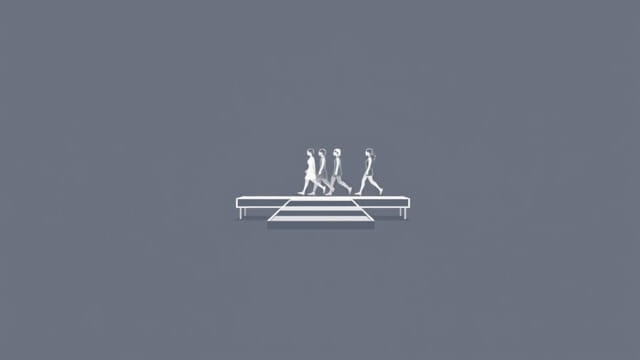
When people think about fashion shows and glamorous events, one of the first images that comes to mind is the catwalk. It is the central stage where models showcase the latest trends, designs, and creativity from the fashion world. The catwalk is more than just a raised platform it’s a symbol of the fashion industry, a space where style meets performance. Over the years, the catwalk has evolved into a vital aspect of fashion marketing, artistic expression, and brand identity.
Definition of a Catwalk
What is a Catwalk?
A catwalk is a narrow, often elevated runway used by models to present clothing and accessories during fashion shows. The term is synonymous with the word runway in many parts of the world. It serves as the platform where designers unveil their latest collections to an audience of buyers, fashion editors, celebrities, and influencers. Models walk along the catwalk, turning and pausing to allow observers to view the garments from multiple angles.
Origins of the Term ‘Catwalk’
The word catwalk originally referred to a narrow, elevated walkway used in theaters or construction. The connection to fashion likely emerged from the feline-like grace models display while walking down the runway hence, a cat walk. Over time, the term became widely accepted in the fashion industry as a stage for modeling garments.
Purpose of the Catwalk in Fashion
Showcasing Fashion Collections
The primary function of the catwalk is to display a designer’s new collection in motion. While clothing can be appreciated in photos or on hangers, the way a garment moves on a person can reveal much more about its fabric, cut, and design. The catwalk allows designers to present their artistic vision with full impact.
Creating Publicity
Fashion shows and catwalks generate buzz and media coverage. When a model walks down the catwalk in a groundbreaking outfit, it can instantly capture the attention of the press and public, leading to viral moments, editorial spreads, and increased brand recognition. The catwalk can act as a launchpad for both established designers and newcomers in the industry.
Influencing Trends
What appears on the catwalk often sets the tone for fashion trends in the coming seasons. Editors, stylists, and buyers watch closely to decide which pieces will make it to stores and magazines. A single catwalk show can influence how people dress around the world.
Structure and Design of a Catwalk
Types of Catwalk Layouts
- Traditional T-Shaped Runway: This layout features a main straight walkway with a perpendicular platform at the end, resembling a T. It allows models to walk forward and display the garments fully before turning back.
- U-Shaped or Circular Runway: These more elaborate designs allow for dynamic viewing from multiple angles and are often used in larger, theatrical shows.
- Straight Runway: A long, narrow walkway with seating on either side. This is the most common layout in fashion week presentations.
Stage Materials and Construction
Catwalks are typically constructed from sturdy materials like wood or metal and may be covered with fabric, vinyl, or carpet to ensure safe footing for models. Lighting is carefully arranged to highlight the garments, and music is used to set the tone and pace of the show. The entire experience is designed to draw attention to the clothing being modeled.
Behind the Scenes of a Catwalk Show
Preparation and Planning
A successful catwalk show requires careful planning. Designers work closely with casting directors to select models, choreographers to coordinate the walk, and stylists to finalize looks. Fittings, rehearsals, and hair and makeup trials take place days or even weeks in advance.
The Role of the Model
Models are trained to walk with a specific rhythm and posture that flatters the clothing. They must strike a balance between grace and confidence, allowing the garments to be the focus. Each model may walk multiple times, wearing different outfits from the collection.
Live Audience and Media Presence
The catwalk show is often attended by a select group of fashion insiders, buyers, journalists, and celebrities. It is also livestreamed or filmed for later broadcast, extending its reach to a global audience. Social media now plays a significant role in spreading images and videos of the show in real time.
Catwalks Around the World
Major Fashion Weeks
The most prestigious catwalks are seen during international fashion weeks in cities such as:
- New York
- Paris
- London
- Milan
Each of these cities hosts biannual fashion weeks that feature top designers, new collections, and iconic runway moments. The catwalks during these events are carefully curated to reflect both creativity and commercial appeal.
Cultural Variations
While the format is generally consistent, regional fashion weeks may incorporate local traditions, themes, and aesthetics. For example, Asian fashion weeks may emphasize avant-garde innovation, while African fashion shows highlight bold prints and cultural heritage.
Evolution of the Catwalk
From Exclusive to Inclusive
Traditionally, catwalks were dominated by a narrow definition of beauty. However, the industry has seen a shift towards diversity and inclusivity in recent years. Today’s catwalks feature models of different sizes, ethnicities, ages, and gender identities, reflecting a broader and more realistic view of beauty.
Virtual Catwalks
With the rise of digital technology, some designers have embraced virtual or augmented reality catwalks. These online shows allow viewers to experience the runway from the comfort of their homes. Virtual catwalks became especially popular during the global pandemic, and many designers continue to integrate them into their marketing strategies.
Interactive and Experiential Shows
Modern catwalks are not just about walking they are immersive experiences. Some shows incorporate storytelling, dance, or theatrical elements to make the presentation more memorable. These creative approaches turn fashion into a form of live art.
Impact of the Catwalk on Fashion and Society
Brand Identity and Recognition
The catwalk is a critical platform for building a designer’s brand. The way a collection is presented music, lighting, styling, and choreography communicates the brand’s personality and values. Iconic catwalk shows can define a designer’s career.
Social Commentary and Awareness
Some designers use the catwalk to make political or cultural statements. Themes of sustainability, body positivity, and gender identity are increasingly reflected in runway presentations. The catwalk becomes a stage not only for fashion but also for discussion and change.
The catwalk is much more than just a runway it is a dynamic platform where fashion, art, culture, and commerce intersect. Whether it’s in a grand fashion week setting or a minimalist online presentation, the catwalk remains a powerful tool for storytelling and expression. It allows designers to bring their creative visions to life and invites audiences into a world of imagination and inspiration. As fashion continues to evolve, the catwalk will undoubtedly adapt, but its core purpose celebrating style and creativity will remain timeless.