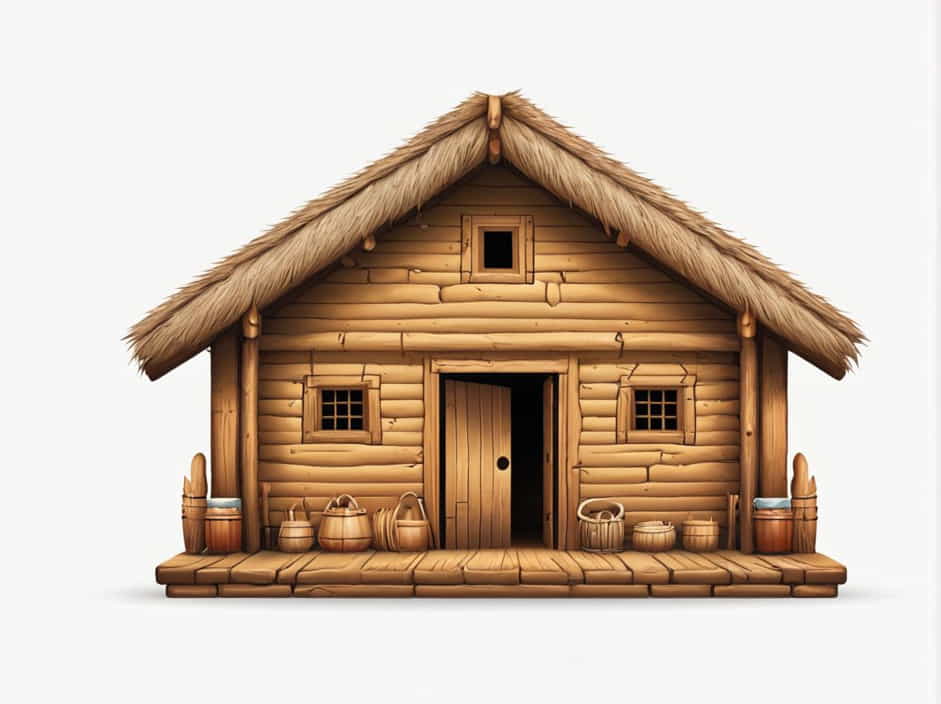
The Native American longhouse is one of the most iconic and significant types of dwellings used by various indigenous peoples of North America. These structures were not just homes but also served as places for social gatherings, spiritual rituals, and community life. The longhouse represents the adaptability, resourcefulness, and cultural practices of the Native American tribes who constructed them. This topic will explore the history, design, and cultural significance of the Native American longhouse.
What is a Longhouse?
A Native American longhouse was a large, rectangular building constructed using natural materials like wood, bark, and reeds. These homes were primarily used by indigenous peoples living in the northeastern part of North America, including tribes such as the Iroquois, Algonquin, and Haudenosaunee. Longhouses were designed to accommodate extended families or entire communities, serving as both a dwelling and a center for social and ceremonial activities.
The name ‘longhouse’ comes from the fact that these structures were long and narrow, often reaching lengths of 40 to 100 feet and widths of 15 to 25 feet. They were typically built to house multiple families, with individual family units occupying different sections within the same building.
The Structure and Design of a Longhouse
Longhouses were constructed with materials that were readily available in the environment, making them highly sustainable and efficient. The primary structural components included:
-
Frame: The frame of a longhouse was made from saplings, which were bent and tied together to form a framework. These frames created the skeleton of the longhouse, giving it its characteristic long and narrow shape.
-
Walls: The walls were typically covered with large sheets of bark, often from trees like elm or cedar. The bark was carefully stripped from the trees and then fastened to the wooden frame. This material served to provide insulation against the harsh winters of the northeastern United States.
-
Roof: The roof was often a sloping structure made of bark or woven mats. This design helped to shed rain and snow, while also allowing for ventilation. The roof usually had a small hole at the top to let smoke escape from the fire used for cooking and heating.
-
Flooring: The floors of longhouses were generally made of dirt or packed earth. In some cases, mats and blankets were spread out to create a more comfortable surface for sleeping and sitting. Families would often set up their individual areas with their belongings and cooking tools.
-
Fireplaces: A longhouse typically featured a central fireplace or several smaller hearths where cooking and heating took place. Smoke from these fires would rise through the roof vent, and the warmth provided an essential way to survive the cold winters.
The Function of a Longhouse
The longhouse was much more than just a home for Native American families. It served various functions within the community, playing a significant role in the social, economic, and spiritual life of the tribe.
1. Community Living
The longhouse was designed to house extended families, often spanning several generations. Families would live together in one structure, each occupying a separate space within the longhouse. These sections were separated by walls made of mats or curtains, allowing for privacy while fostering a strong sense of community. The longhouse’s design encouraged cooperation and communal living, with shared tasks such as cooking, childcare, and food gathering.
2. Social and Ceremonial Functions
Longhouses were often the center of social and ceremonial activities within Native American tribes. They served as gathering places for important meetings, councils, and community events. Elders, chiefs, and spiritual leaders would often convene in the longhouse to discuss tribal matters, resolve disputes, or perform rituals. Ceremonies, including those related to seasons, harvests, and religious observances, were frequently held inside longhouses.
3. Cultural Significance
For many Native American cultures, the longhouse had deep spiritual meaning. It symbolized the interconnectedness of the family, the tribe, and the natural world. The Iroquois, for example, viewed the longhouse as a physical representation of their nation. The layout of the longhouse was thought to mirror the unity of the Iroquois Confederacy, with different tribes living under one roof, united by a common goal. Some tribes also believed that the longhouse represented the womb of Mother Earth, with its structure reflecting the cycles of life and renewal.
The Role of the Longhouse in Native American Society
The longhouse was an essential part of the daily lives of many Native American tribes, particularly in the Northeast. It provided shelter, but it also played a central role in maintaining tribal unity and ensuring the survival of cultural practices.
1. Agricultural Communities
The tribes that built longhouses were typically agricultural societies. They relied heavily on farming for sustenance, growing crops such as corn, beans, and squash, known as the ‘Three Sisters.’ These tribes also hunted, fished, and gathered wild plants. The longhouse served as a hub for these activities, with families sharing resources and labor to ensure the success of their agricultural endeavors.
2. Symbol of Unity and Cooperation
The longhouse also represented the ideals of cooperation and unity, which were central to the way many Native American tribes functioned. For instance, the Iroquois Confederacy, a political union of several tribes, saw the longhouse as a symbol of their unity. Each member tribe would contribute to the well-being of the community, much like how each family contributed to the functioning of the longhouse.
Decline of the Longhouse
The longhouse began to decline in importance with the arrival of European settlers and the introduction of European-style housing. As Native American communities were increasingly displaced or influenced by European settlers, traditional structures like the longhouse were gradually replaced by wooden houses, which were more suited to the European way of life. Despite this, the legacy of the longhouse continues to play a role in the cultural practices of many Native American communities today.
The Native American longhouse was more than just a physical structure. It was a symbol of community, cooperation, and cultural identity. These large, multi-family dwellings provided shelter and served as spaces for social, political, and religious life. The design of the longhouse reflects the close connection Native American tribes had with their environment and their understanding of the world around them. Today, the longhouse remains an important symbol of Native American heritage, representing resilience, unity, and the strength of tradition.