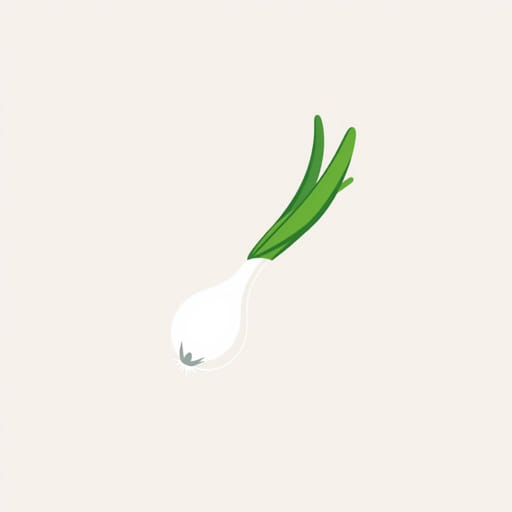
Fresh, crisp, and bursting with mild onion flavor, the spring onion is a staple ingredient in kitchens around the world. Often confused with scallions or green onions, spring onions bring a slightly more developed bulb and a delicate, sweet taste that adds depth to salads, stir-fries, soups, and garnishes. Their versatility, bright color, and subtle sharpness make them a favorite among home cooks and chefs alike. Understanding what a spring onion truly is and how it differs from other alliums can open up a range of culinary possibilities and help elevate your cooking with minimal effort.
Understanding the Spring Onion
A spring onion is a young onion harvested before the bulb has fully developed. It belongs to the same species as regular bulb onions (Allium cepa) but is picked early in its growth cycle. This early harvesting gives the spring onion its tender texture, edible green tops, and a small but distinct white or red bulb. Both the green stalk and the bulb can be eaten, offering a mild and sweet onion flavor that’s less pungent than mature onions.
Spring onions are often confused with green onions or scallions. While the terms are sometimes used interchangeably, there are subtle differences. Green onions typically have a slimmer, less developed bulb, whereas spring onions have a noticeable rounded bulb, indicating they are slightly more mature. This bulb is what separates them visually and flavor-wise from scallions, giving spring onions a bit more bite and sweetness.
Characteristics of Spring Onions
Visual Appearance
- Bulb: Small, round, or oval-shaped, usually white or red.
- Stalk: Long, slender green tops, similar to scallions but often thicker.
- Texture: Crisp when raw, softens when cooked.
When shopping for spring onions, look for firm bulbs and vibrant green tops without wilting or yellowing. The fresher they are, the better their flavor and crunch.
Flavor Profile
Spring onions offer a milder taste than regular onions, with a slightly sweet and grassy note. The white bulb has a more concentrated flavor, while the green tops are milder and more herbaceous. When cooked, the bulb caramelizes beautifully, bringing out its natural sugars and mellowing the sharpness even further.
Culinary Uses of Spring Onions
Thanks to their balanced flavor and dual textures, spring onions can be used in a wide range of recipes. They can be eaten raw, grilled, sautéed, roasted, or pickled. The white and green parts can be used separately or together, depending on the dish.
Popular Uses in Cooking:
- Salads: Finely sliced for a fresh, mild crunch and color.
- Stir-fries: Added in the final moments of cooking to retain texture and flavor.
- Omelettes and Scrambled Eggs: Lightly sautéed for a savory touch.
- Soups and Broths: Used as garnish or simmered in broth for a subtle onion base.
- Grilled or Roasted: Whole spring onions caramelize well and make excellent side dishes.
- Salsas and Dips: Chopped finely into guacamole, salsa, or yogurt dips for freshness.
In many Asian, Mediterranean, and Latin American cuisines, spring onions are a core flavoring ingredient, appreciated for their ability to enhance dishes without overpowering them.
Spring Onions vs. Other Onions
To better understand the unique role of spring onions in cooking, it helps to compare them with other members of the allium family.
Differences from Scallions (Green Onions)
- Bulb size: Scallions have little to no bulb, while spring onions have a more developed bulb.
- Flavor: Spring onions are slightly sweeter and stronger than scallions.
- Uses: Both are versatile, but spring onions can hold up better to longer cooking due to the bulb.
Differences from Regular Bulb Onions
- Size and maturity: Spring onions are harvested earlier and are smaller.
- Pungency: Regular onions have a sharper, more intense flavor.
- Edibility of greens: Spring onion tops are tender and edible; onion greens are tougher.
Each type of onion has its place in the kitchen, but spring onions offer a middle ground between the boldness of bulb onions and the subtlety of scallions.
Health Benefits of Spring Onions
Besides their culinary value, spring onions are also nutritious. They are low in calories and rich in essential vitamins and minerals. As part of the allium family, they offer a number of potential health benefits.
Nutritional Highlights:
- Vitamin C: Supports immune health and skin repair.
- Vitamin K: Important for bone health and blood clotting.
- Folate: Vital for DNA synthesis and cell growth.
- Fiber: Helps with digestion and gut health.
- Antioxidants: Spring onions contain compounds like quercetin that have anti-inflammatory properties.
Including spring onions in your meals is an easy way to add nutrition and flavor without added fat or sugar.
How to Store and Prepare Spring Onions
To get the best out of spring onions, it’s important to store and prepare them properly. They are quite perishable, especially the green tops, and should be handled with care to maintain freshness.
Storage Tips:
- Store spring onions in the vegetable drawer of your refrigerator.
- Wrap them in a damp paper towel and place in a plastic bag for longer shelf life.
- Use within a week for the best flavor and texture.
Preparation Tips:
- Wash thoroughly to remove any dirt, especially around the bulb.
- Trim the root end and any wilted tops.
- Use a sharp knife to slice or chop to your desired thickness.
- Separate the white and green parts if your recipe requires different cooking times.
Spring onions are easy to work with, and even novice cooks can quickly learn to prepare them efficiently.
Growing Spring Onions at Home
Spring onions are one of the easiest vegetables to grow at home, either in a garden bed or in containers. They require minimal space, grow quickly, and can be harvested multiple times.
Basic Growing Tips:
- Use well-draining soil and a sunny location.
- Water regularly to keep the soil moist but not soggy.
- Harvest when the bulbs are small and the greens are healthy.
- You can regrow store-bought spring onions by placing the white ends in a glass of water until roots appear.
Growing your own spring onions provides a constant supply of fresh greens for your kitchen and is a fun, sustainable practice for anyone interested in home gardening.
Spring onions may look modest, but they pack a surprising punch of flavor, versatility, and nutritional value. As a unique allium that bridges the gap between scallions and mature onions, they shine in both raw and cooked dishes. Whether used in salads, stir-fries, soups, or grilled as a side, spring onions bring brightness and a delicate bite that enhances almost any meal. Easy to store, cook, and even grow at home, spring onions are a must-have for any well-stocked kitchen. Once you start incorporating them regularly into your meals, you’ll quickly understand why this humble ingredient is cherished in cuisines around the world.