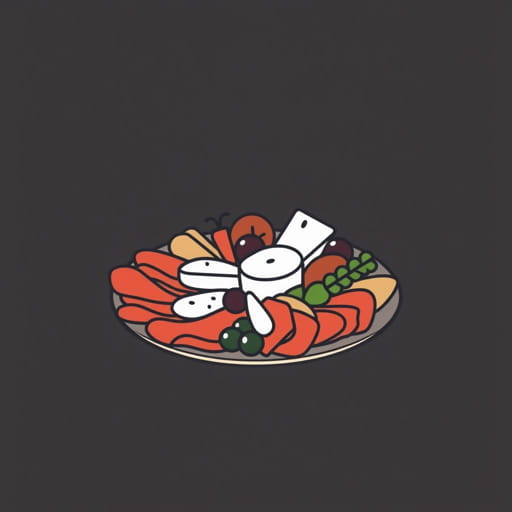
An antipasto platter is a traditional Italian appetizer that brings together a colorful and flavorful assortment of cured meats, cheeses, marinated vegetables, olives, and other savory bites. It is typically served as a starter before the main course and is designed to awaken the palate and stimulate appetite. The term ‘antipasto’ comes from the Latin words ante (before) and pastus (meal), literally meaning before the meal. This elegant yet rustic platter is often presented on a large wooden board or tray and arranged in a way that invites guests to sample and enjoy different textures and flavors. Perfect for entertaining or casual gatherings, an antipasto platter celebrates simplicity, quality ingredients, and the joy of sharing food.
What Is an Antipasto Platter?
An antipasto platter is a curated selection of small bites that are served as an appetizer in Italian cuisine. Unlike a single appetizer dish, an antipasto platter includes a variety of ingredients that are arranged together to offer a wide range of tastes from salty and sweet to tangy and earthy.
While there is no strict formula for building an antipasto platter, it usually includes a balance of protein-rich items like meats and cheeses, alongside pickled or marinated vegetables, fresh herbs, spreads, and breads or crackers. This variety allows guests to create their own combinations, adding to the interactive and social nature of the meal.
Typical Components of an Antipasto Platter
While each antipasto platter can be tailored to personal preference or regional availability, some elements are commonly found in most versions.
1. Cured Meats
- Prosciutto: Thinly sliced Italian dry-cured ham with a delicate, savory flavor.
- Salami: A firm, flavorful sausage made from pork, often seasoned with garlic and spices.
- Capicola: Spiced, cured pork shoulder that’s sliced thin and slightly peppery.
- Bresaola: Air-dried, salted beef that is lean and tender.
2. Cheeses
- Mozzarella: Soft, mild cheese often served as bocconcini (small balls).
- Provolone: Semi-hard cheese with a slightly sharp taste.
- Pecorino Romano: A hard, salty cheese made from sheep’s milk.
- Gorgonzola: A bold, blue-veined cheese with a creamy texture.
3. Marinated and Pickled Vegetables
- Roasted red peppers
- Artichoke hearts
- Sun-dried tomatoes
- Grilled zucchini or eggplant slices
- Pickled mushrooms or onions
4. Olives and Other Brined Items
- Green Castelvetrano olives
- Kalamata olives
- Stuffed olives with garlic or cheese
- Cornichons or gherkins
5. Breads and Crackers
- Crusty Italian bread or baguette slices
- Grissini (Italian breadsticks)
- Rustic flatbreads
- Crackers or crostini
6. Additional Enhancements
- Fresh herbs like basil, oregano, or rosemary
- Honey or fig jam for sweet contrast
- Olive oil or balsamic glaze drizzles
- Fresh fruit like grapes or figs
- Nuts such as almonds or walnuts
The goal is to balance flavors and textures creamy with crunchy, salty with sweet, and rich with acidic for an engaging and harmonious tasting experience.
How to Assemble an Antipasto Platter
Creating an antipasto platter is more about arrangement than cooking. It’s all about visual appeal, color contrast, and variety. Start by choosing a large serving board or platter and build from the center outward, grouping items together in small clusters.
Step-by-Step Guide:
- Select your base: Use a wooden board, marble slab, or large ceramic tray.
- Place bowls first: Position small bowls with olives, spreads, or pickled vegetables.
- Add meats and cheeses: Fold or roll slices for visual interest. Alternate types and group in sections.
- Fill in with vegetables: Layer roasted or marinated vegetables in between the proteins.
- Add bread and crackers: Fan out slices or stack crackers in neat piles.
- Garnish: Finish with herbs, nuts, or fruit to bring freshness and balance.
There’s no need to overcrowd the platter. Leave some space between items to make it easier for guests to serve themselves and enjoy each item individually.
Occasions for Serving an Antipasto Platter
Antipasto platters are ideal for many settings, from casual get-togethers to elegant dinner parties. They are especially popular during holidays and festive gatherings where people can graze and mingle.
Perfect Occasions Include:
- Holiday parties
- Weddings or engagement celebrations
- Wine tastings
- Birthday dinners
- Outdoor picnics
- Casual cocktail hours
Because the ingredients are served at room temperature and require little last-minute preparation, antipasto platters are a host’s dream for stress-free entertaining.
Pairing Drinks with an Antipasto Platter
The variety in an antipasto platter pairs well with many beverages, especially wines that complement the savory and salty elements. Italian wines are a natural fit, but there are many good options depending on your specific spread.
Wine Pairings:
- Chianti: Its acidity cuts through rich cheeses and cured meats.
- Prosecco: Light and bubbly, ideal for balancing saltiness and freshness.
- Pinot Grigio: Crisp and clean, works well with marinated vegetables.
- Rosé: A versatile option that complements both meats and cheeses.
Non-Alcoholic Options:
- Sparkling water with lemon or herbs
- Grapefruit or citrus spritzers
- Herbal iced teas
The key is to match the acidity and freshness of the drink to the richness of the food for a balanced experience.
Health Benefits and Dietary Notes
An antipasto platter can be tailored to fit various dietary needs. It naturally offers a high-protein and low-carb option, depending on what’s included. By choosing leaner meats, fresh vegetables, and whole-grain crackers, it’s possible to keep the platter both delicious and health-conscious.
Diet-Friendly Variations:
- Vegetarian: Skip the meats and add extra vegetables, cheeses, and nuts.
- Gluten-free: Use gluten-free crackers or skip bread entirely.
- Keto-friendly: Focus on high-fat cheeses, olives, and meats, avoiding breads and sugary spreads.
Since the platter is completely customizable, it can be adjusted to suit any guest list or nutritional preference.
An antipasto platter is more than just an appetizer it’s an expression of hospitality, flavor, and creativity. Bringing together an array of cured meats, cheeses, marinated vegetables, olives, and breads, it provides a rich and satisfying prelude to any meal. Whether you’re hosting a dinner party or simply enjoying a quiet evening with wine and good company, an antipasto platter offers a perfect blend of simplicity and sophistication. With endless combinations and no cooking required, it’s a delicious, versatile, and timeless addition to any occasion.