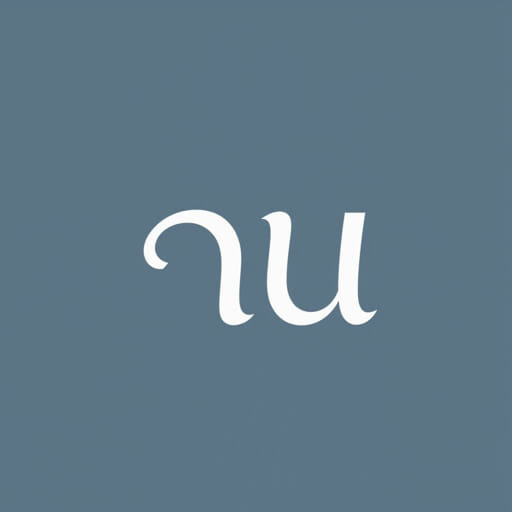
In the study of historical scripts and the evolution of written language, half uncial holds a distinct place as a medieval script that helped shape the future of Western calligraphy. Originating during a transitional period in European writing, half uncial is often examined by scholars, calligraphers, and typography enthusiasts alike. It reflects not only stylistic changes in handwriting but also broader cultural shifts in literacy, religion, and manuscript production. Understanding what half uncial is, how it emerged, and why it is significant can help us appreciate its enduring legacy in written communication.
Understanding Half Uncial
Definition and Origins
Half uncial, also known as ‘semi-uncial,’ is a script style that emerged during the late Roman Empire, around the 5th to 9th centuries AD. The term ‘half uncial’ distinguishes it from its predecessor, uncial script, which was more rounded and uniform in character. Unlike uncial, which used primarily capital letters, half uncial introduced more minuscule (lowercase-like) forms. This script is commonly associated with Latin texts, especially religious manuscripts produced in monastic scriptoriums across Europe.
Script Characteristics
Half uncial is noted for its flowing, rounded letters with occasional angular elements. Unlike earlier Roman capitals, the script shows more curvature, ascenders, and descenders, making it easier to read and write. The introduction of these features made half uncial a precursor to later minuscule scripts used in medieval Europe. Key letters like a, d, g, and t in half uncial differ significantly from their uncial counterparts, often serving as clear indicators of the script style.
Historical Context of Half Uncial
From Roman to Medieval Writing
The development of half uncial took place during a time of significant transformation. As the Roman Empire declined and Christian monasteries became centers of learning and literacy, the need for a more practical and readable script grew. Half uncial met that demand by offering a script that was both elegant and efficient. It became widely used in producing religious texts, such as the Bible, psalms, and homilies.
Geographical Spread
While the origins of half uncial are linked to regions like Italy and North Africa, the script spread rapidly throughout the Christianized parts of Europe. Monastic centers in Ireland, England, and the Carolingian Empire adopted and adapted the script to suit their linguistic and aesthetic needs. As a result, half uncial influenced several regional writing styles that followed, including Insular script and Carolingian minuscule.
Visual Features of Half Uncial
Letterforms and Structure
One of the most distinctive aspects of half uncial is its letter structure. Here are some of its notable features:
- a– The letter ‘a’ in half uncial is more like a modern a, often with an open top.
- d– The ‘d’ has a tall ascender that curves back to the left, unlike the upright form in uncial.
- g– The ‘g’ usually features an open loop that descends below the baseline.
- t– The crossbar of the ‘t’ is short and often slants upwards slightly.
These visual markers made half uncial more dynamic and legible than earlier scripts. The use of spacing between words something uncommon in classical Latin texts also began to appear more regularly in half uncial manuscripts.
Writing Materials and Tools
Half uncial was typically written on parchment using a broad-nibbed quill. The tools allowed scribes to create varying line thicknesses, which added elegance to the script. The use of ink made from natural dyes also contributed to the visual richness of half uncial manuscripts. Scribes paid careful attention to the rhythm and spacing of letters, contributing to the script’s balanced appearance.
Significance and Legacy
Influence on Later Scripts
Half uncial did not remain static. It inspired many of the scripts that followed, most notably:
- Insular script– Developed in the British Isles, this script drew heavily from half uncial and introduced decorative flourishes.
- Carolingian minuscule– Standardized during the reign of Charlemagne, this script was easier to read and laid the foundation for modern lowercase letters.
Because of its clarity and rhythm, half uncial served as an important transitional form in the evolution of Western writing. It bridged the gap between classical Roman and medieval scripts, making it a key subject of study in paleography.
Role in Religious Texts
The use of half uncial in religious manuscripts underscores its cultural and spiritual significance. Scribes considered the act of copying sacred texts not just a duty but a form of devotion. The script’s balance and flow suited the solemnity of these works. Examples of half uncial can still be found in historic manuscripts housed in major libraries and museums, preserved as part of humanity’s literary heritage.
Modern Appreciation of Half Uncial
Calligraphy and Typography
In modern times, half uncial has been revived by calligraphers and typographers. It is often used in artistic projects, religious artwork, and decorative pieces that aim to evoke a medieval or ancient aesthetic. Its flowing forms lend themselves well to hand-lettering and even digital type design. Some fonts today are inspired by half uncial, blending historical form with modern function.
Educational Use
Half uncial continues to be studied in academic settings, especially within courses on medieval history, Latin paleography, and calligraphy. Understanding this script allows students and researchers to read early manuscripts more accurately and to trace the historical development of Western literacy.
Half uncial is more than just an old script it is a witness to the evolution of writing in Western civilization. Emerging in the post-Roman world, it served practical and spiritual purposes in a time when the written word was sacred and precious. With its balanced shapes and practical readability, half uncial helped bridge the classical past with the medieval future. Its influence can still be seen in the letterforms we use today, and its legacy endures in libraries, art, and the study of history.