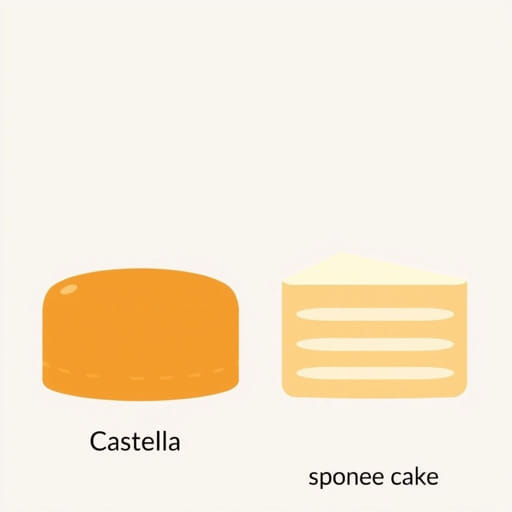
When it comes to light and airy cakes, two names often come up in conversation: Castella and sponge cake. At first glance, they might appear quite similar, both featuring a fluffy texture and golden brown crust. However, these two desserts are different in key ways, especially in terms of origin, ingredients, preparation methods, and final texture. Understanding the difference between Castella and sponge cake helps bakers and dessert lovers appreciate the unique qualities of each. Whether you’re trying to choose one for a recipe or just curious about international baked goods, exploring the contrast between these two cakes is both interesting and helpful.
Origins and Cultural Background
Castella
Castella, or Kasutera in Japanese, has a rich history that dates back to the 16th century. It was introduced to Japan by Portuguese merchants who brought a cake called Pão de Ló. The Japanese adapted the recipe to suit local ingredients and preferences. Today, Castella is a popular specialty of Nagasaki, Japan, often sold in rectangular loaves with a dark, caramelized top and bottom crust. It’s considered a traditional Japanese dessert and is commonly enjoyed with green tea.
Sponge Cake
Sponge cake, on the other hand, has European roots and can be traced back to the Renaissance era. It is widely popular around the world and forms the basis for many other types of cakes, such as Victoria sponge, Swiss roll, and layer cakes. Because of its versatility, sponge cake recipes vary across countries and regions, with some using butter, oil, or additional flavorings like vanilla or citrus zest.
Ingredients and Flavor
Castella
The traditional Castella recipe is quite simple, typically made with only four ingredients: bread flour, sugar, eggs, and honey. The use of bread flour (instead of cake or all-purpose flour) gives it a slightly denser texture while still maintaining softness. Honey adds a gentle sweetness and a hint of floral aroma. Castella is often described as subtly sweet and moist, with a fine, even crumb that melts in the mouth.
Sponge Cake
Classic sponge cake recipes usually include cake flour or all-purpose flour, sugar, eggs, and sometimes a small amount of butter or oil. Depending on the recipe, some sponge cakes may also contain baking powder, though this is not always necessary. The sweetness level is usually higher than that of Castella, and the flavor can be enhanced with vanilla extract or fruit zests. The result is a light, airy cake with a more elastic and springy texture.
Preparation Method
Castella
One of the key differences between Castella and sponge cake lies in the technique used to make them. For Castella, eggs and sugar are beaten together until the mixture becomes pale and thick. Bread flour is then folded in carefully to avoid deflating the batter. Honey is added for moisture and sweetness. The batter is poured into a wooden or lined metal mold and baked at a low temperature for a longer period. After baking, the cake is wrapped and left to rest for a day or more, which improves its flavor and texture.
Sponge Cake
Sponge cake preparation generally involves beating the eggs (or egg whites and yolks separately) with sugar until the mixture triples in volume. The goal is to incorporate as much air as possible to create a fluffy structure. The dry ingredients are folded in gently, and melted butter or oil may be added for richness. Sponge cakes are usually baked at a moderate temperature and served soon after cooling. They are often layered with cream or fruit fillings, making them ideal for celebration cakes.
Texture and Appearance
Another major difference between Castella and sponge cake is their final texture and appearance.
- Castella: Dense yet moist with a smooth, uniform crumb. The top is usually flat and dark brown due to caramelization. The cake is cut into neat rectangular slices and has a slightly chewy bite.
- Sponge Cake: Fluffy, soft, and airy with a light crumb. The surface is typically golden and rounded or domed. It’s more delicate and spongy compared to Castella.
While both cakes rise during baking, Castella has a more compact structure due to its thicker batter and baking process. Sponge cake is more open and light because of the air whipped into the eggs.
Uses and Serving Style
Both cakes can be enjoyed on their own, but they are also used in different culinary ways.
Castella
Castella is most often served plain, cut into thick slices. It’s considered a snack or tea-time treat and rarely paired with fillings or frostings. Its unique texture and honey flavor are appreciated without extra embellishments. In Japan, Castella is sometimes flavored with matcha, brown sugar, or yuzu for variety.
Sponge Cake
Sponge cake serves as the foundation for many other desserts. It can be layered with whipped cream, jam, custard, or fresh fruits. It’s a go-to base for birthday cakes, wedding cakes, and more. The adaptability of sponge cake makes it ideal for various flavor profiles and styles of decoration.
Storage and Shelf Life
Both cakes are best stored in airtight containers, but their shelf life and behavior over time differ slightly.
- Castella: Keeps well for several days and often tastes better the next day after the flavors settle. It doesn’t dry out quickly thanks to the honey and dense structure.
- Sponge Cake: Best enjoyed fresh or within one to two days. Because of its light and airy nature, it can dry out faster unless paired with moist fillings or frostings.
Nutritional Considerations
While neither Castella nor sponge cake is considered a low-calorie food, their nutritional profiles differ depending on ingredients and portion sizes.
- Castella: Contains more protein due to the bread flour and has fewer fats since it usually doesn’t include butter or oil. The sugar and honey contribute to its overall calories.
- Sponge Cake: May contain more fat and sugar, especially when butter, cream, or fillings are added. Its calorie count can vary widely based on preparation.
For those looking for a lower-fat dessert, traditional Castella may be a slightly better option. However, moderation is key for both types.
Though Castella and sponge cake may seem similar at first, they differ in meaningful ways. Castella is a denser, honey-sweetened cake with roots in Japanese tradition, known for its moist and chewy texture. Sponge cake, on the other hand, is a classic European-style dessert with a fluffy, airy structure that’s perfect for layering and decorating. Their unique ingredients, methods of preparation, and serving styles offer distinct experiences for those who enjoy baking or tasting cakes from around the world. Whether you prefer the delicate simplicity of Castella or the versatility of sponge cake, both have earned their place in the world of beloved baked goods.