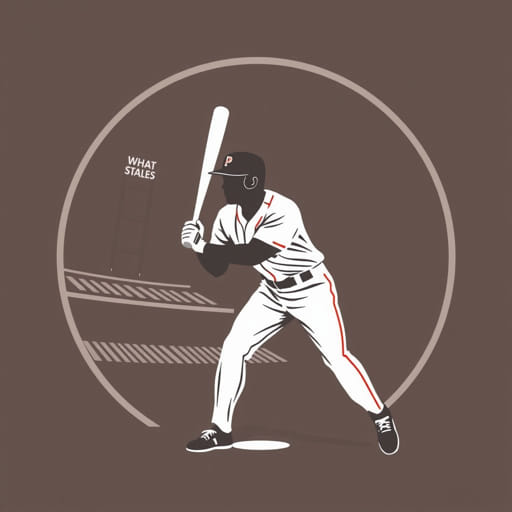
In the early 20th century, when racial segregation was legally enforced in many parts of the United States, African American athletes were excluded from Major League Baseball. Despite this barrier, Black baseball players found ways to organize and shine on their own terms. The creation of the Negro Baseball League was a major turning point in both African American sports history and American culture at large. These leagues provided a platform for Black athletes to showcase their talents, build communities, and challenge the systemic discrimination that limited their opportunities in mainstream sports.
Origins of the Negro Baseball League
The roots of Black baseball in the United States go back to the 19th century. As early as the 1880s, all-Black teams were forming and competing in local and regional matches. However, it wasn’t until the 1920s that an organized and professional league structure began to take shape. In 1920, Andrew Rube Foster, a former player, manager, and influential figure in Black baseball, founded the Negro National League (NNL). This marked the beginning of the Negro Baseball League era, which would include several leagues over the years.
Rube Foster’s Vision
Rube Foster’s goal was not just to give African American players a league of their own, but to create a structured, professional organization that could rival Major League Baseball in terms of talent and excitement. He believed that by organizing the best Black teams under one banner, the Negro National League could prove that African Americans deserved equal opportunity on the diamond. Under his leadership, the NNL included teams like the Chicago American Giants, Detroit Stars, and Kansas City Monarchs.
Development and Expansion
Throughout the 1920s and 1930s, the Negro Baseball League grew and evolved. Other leagues, such as the Eastern Colored League and the Negro American League, were formed. Although financial instability and internal disputes caused some leagues to collapse or reorganize, the overall movement persisted. These leagues offered consistent and competitive play, drawing large crowds and attracting top talent.
Key Teams and Cities
The Negro Baseball League was filled with strong franchises located in major cities. Some of the most famous teams included:
- Kansas City Monarchs– One of the most successful and longest-running teams in Negro League history.
- Pittsburgh Crawfords– Known for fielding some of the league’s greatest players.
- Homestead Grays– A powerhouse based in Pennsylvania that regularly challenged the best teams.
- Newark Eagles– A competitive team that played a major role in the 1940s.
These teams brought excitement to their communities and contributed to a thriving Black baseball culture in cities across the country.
Notable Players of the Negro Baseball League
The Negro Baseball League was a showcase of immense talent. Many of its stars would eventually be recognized as some of the greatest players in baseball history, even if they never got the chance to play in Major League Baseball during their prime.
Legends of the Game
- Satchel Paige– A legendary pitcher known for his incredible control, velocity, and charisma.
- Josh Gibson– Often called the Black Babe Ruth, Gibson was a power-hitting catcher with unmatched batting skills.
- Cool Papa Bell– Famous for his blinding speed, Bell was an outfielder who could steal bases with ease.
- Oscar Charleston– A multi-skilled player and respected manager who was widely considered one of the greatest all-around players.
These athletes not only entertained fans but also paved the way for the eventual integration of Major League Baseball.
Economic and Cultural Impact
Beyond the game itself, the Negro Baseball League had a major cultural and economic influence. The league provided employment and pride for African American communities, with games often turning into large social events. Stadiums were filled with enthusiastic fans, and Black-owned businesses thrived on game days.
Community Empowerment
The teams were more than just sports franchises they were symbols of pride and resilience. Black ownership of teams and stadiums offered rare examples of economic autonomy in a segregated society. Leaders such as Effa Manley, the co-owner of the Newark Eagles, demonstrated that African Americans could be successful in all aspects of sports business, including management and administration.
Challenges and Decline
Despite their success and influence, the Negro Baseball Leagues faced ongoing challenges. Economic hardship during the Great Depression affected attendance and revenues. Additionally, lack of mainstream media coverage limited the reach of the league’s most compelling stories.
Integration and Its Effects
The turning point came in 1947 when Jackie Robinson broke the color barrier by joining the Brooklyn Dodgers. While this was a historic moment for racial integration in sports, it also signaled the beginning of the end for the Negro Baseball League. Major League teams began to sign more Black players, draining the Negro Leagues of their top talent.
By the 1950s, most Negro League teams had folded, unable to compete with the newly integrated Major League Baseball. However, the legacy of these leagues remains a cornerstone of baseball history.
Legacy and Recognition
In recent decades, efforts have been made to honor and preserve the contributions of the Negro Baseball League. Several players have been inducted into the National Baseball Hall of Fame, and museums such as the Negro Leagues Baseball Museum in Kansas City serve as permanent tributes to this important chapter in sports history.
Modern Acknowledgment
In 2020, Major League Baseball officially recognized Negro League statistics as part of the official MLB record books. This was a long-overdue step in acknowledging the skill, professionalism, and historical significance of Black baseball players who were denied entry into the major leagues for decades due to racism.
The Negro Baseball League was more than just a response to segregation it was a powerful statement of excellence, resilience, and unity. It gave African American athletes a stage to shine and communities a source of pride during some of the most difficult years in American history. From Rube Foster’s dream to Jackie Robinson’s breakthrough, the league’s impact on American culture and baseball remains undeniable. The history of the Negro Baseball League continues to inspire new generations and serves as a reminder of how determination and talent can thrive even in the face of injustice.