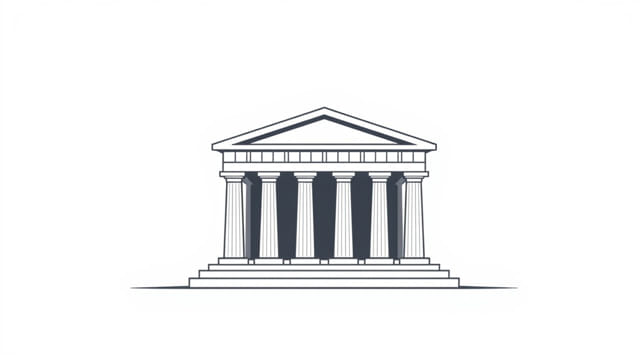
Nestled atop a dramatic cliff overlooking the vast expanse of the Aegean Sea, the Temple of Poseidon is one of Greece’s most iconic and breathtaking ancient ruins. Located at Cape Sounion, around 70 kilometers southeast of Athens, this temple has drawn visitors for centuries due to its historical, architectural, and mythological significance. Built during the Golden Age of Athens, the site pays tribute to Poseidon, the powerful Greek god of the sea. Its strategic position not only offered religious importance but also served a vital role in maritime navigation for ancient sailors entering or leaving the Athenian port of Piraeus.
Historical Background of the Temple of Poseidon
The Temple of Poseidon was constructed around 440 BCE during the reign of Pericles, a time when Athens was flourishing in politics, arts, and architecture. The temple replaced an earlier structure that had been destroyed by Persian forces during the Greco-Persian Wars. Built in the Doric style, the new temple was part of a greater architectural project that included other landmarks like the Parthenon in Athens.
Poseidon, as the god of the sea, was revered by sailors, merchants, and warriors. Given its elevated location, the temple served not only as a place of worship but also as a landmark for seafarers navigating the waters of the Aegean. The temple’s construction symbolizes the importance of the sea to Athens both economically and spiritually.
Architectural Features
The Temple of Poseidon follows a classic Doric design, characterized by simplicity and strength. It originally had 34 columns, of which 15 still stand today. Made from local marble, the columns are slightly tapered, and their placement creates an optical illusion of perfect symmetry when viewed from below. The temple once housed a colossal bronze statue of Poseidon, which has long since vanished.
The inner sanctuary, or cella, was where the statue stood, facing east to greet the rising sun. The temple also had a pronaos (front porch) and an opisthodomos (rear porch). The use of marble, elegant proportions, and intricate carvings showcase the advanced craftsmanship of Athenian artisans during that era.
Geographic Location and Accessibility
Today, the Temple of Poseidon is located in the region of Attica, at the southernmost tip of the Attic peninsula. Cape Sounion is renowned for its panoramic views of the Aegean Sea, making it one of the most scenic places in Greece. Visitors often make the journey from Athens to Sounion as a day trip, especially to witness the magnificent sunset that bathes the ruins in golden light.
- Distance from Athens: Approximately 70 kilometers southeast
- Coordinates: 37.6528° N, 24.0264° E
- Access: Reachable by car, bus, or guided tour
Roads from Athens are well-maintained, making the trip to Cape Sounion relatively straightforward. Many tourists also choose to rent vehicles to enjoy the picturesque coastal drive along the Saronic Gulf.
Surrounding Area and Attractions
The area around Cape Sounion is not only known for the Temple of Poseidon but also for its natural beauty and other historical remnants. The ruins of a fortress, walls, and additional temples possibly dedicated to Athena are nearby. The region is part of the Lavreotiki municipality and has long been valued for its mineral resources and strategic significance.
There are several beaches nearby where travelers can relax, swim, and enjoy local Greek cuisine at seaside tavernas. The combination of history and leisure makes Sounion a favorite destination among both locals and international tourists.
Mythological Significance
The Temple of Poseidon is deeply tied to Greek mythology. One of the most famous legends associated with the site is the story of King Aegeus of Athens. According to myth, he stood on the cliffs of Cape Sounion awaiting the return of his son, Theseus, from Crete. When he saw black sails on the returning ship, he believed his son had died and threw himself into the sea. This tragic event is said to have given the Aegean Sea its name.
This tale adds a layer of emotional depth to the site, making the Temple of Poseidon not just a religious monument but also a place of timeless stories and ancient drama. The temple’s connection to Poseidon emphasizes the Greeks’ desire to honor and appease the forces of nature, especially the unpredictable sea.
Temple of Poseidon in Modern Culture
The enduring power of the Temple of Poseidon has found its way into literature, film, and art. Lord Byron, the famous British poet, carved his name into one of the temple’s columns during his visit in the early 19th century. His romanticized view of ancient Greece contributed to a wider European fascination with classical antiquity and played a role in promoting Greek tourism and archaeological interest.
Today, the site is a protected monument, managed by the Greek Archaeological Service. Preservation efforts are ongoing to protect the ruins from erosion and modern wear. Despite the loss of much of its original structure, the remaining columns continue to evoke a sense of awe and wonder.
Visiting the Temple of Poseidon
Modern visitors can experience the Temple of Poseidon almost as the ancient Greeks did standing high above the sea with sweeping views in all directions. The best times to visit are during spring and autumn when the weather is mild, and crowds are smaller. The most popular time is at sunset, when the golden hues of the setting sun illuminate the white marble columns in a breathtaking display of natural beauty and architectural elegance.
For those interested in Greek history, mythology, or simply stunning vistas, the Temple of Poseidon at Cape Sounion offers an unforgettable experience. Tour guides are available, and there are informational plaques that provide historical context for self-guided visitors. Comfortable walking shoes, water, and sun protection are recommended due to the uneven terrain and exposure to the elements.
Why the Temple Still Matters
In the broader context of world heritage, the Temple of Poseidon represents the brilliance of ancient Greek architecture, the depth of its mythological tradition, and the central role the sea played in Greek life. It remains a powerful symbol of human craftsmanship meeting natural grandeur. The site not only speaks to the past but also inspires present and future generations to appreciate cultural preservation and the beauty of history.
In summary, the Temple of Poseidon is located at Cape Sounion in southeastern Greece and stands as a testament to the maritime spirit of ancient Athens. Whether admired for its location, architecture, or legend, this ancient temple continues to be a highlight of Greek heritage and a symbol of mankind’s enduring connection to the sea.