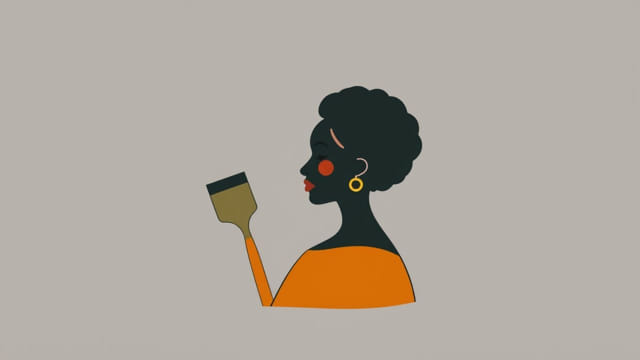
Clementine Hunter was a self-taught African American folk artist whose work vividly depicted plantation life in Louisiana. Born in the late 19th century, she did not begin painting until middle age, yet her talent quickly drew attention from the art world and historians alike. Her paintings serve as a rare firsthand chronicle of Southern African American life, filled with personal memory, culture, and spiritual symbolism. Understanding who Clementine Hunter was provides insight into not only her art but also the broader social and historical context in which she lived and created. Her legacy remains influential in American folk art and continues to inspire new generations of artists and scholars.
Early Life and Background
Clementine Hunter was born in December 1886 or January 1887, although the exact date remains unclear. She was born on Hidden Hill Plantation near Cloutierville, Louisiana, a region deeply rooted in Creole and African American culture. Later in life, she moved to the Melrose Plantation, which would become both her home and the central inspiration for her artwork. She was the granddaughter of formerly enslaved people, and her life was shaped by the lasting effects of slavery, segregation, and economic hardship.
Growing Up in the Post-Reconstruction South
As a child, Clementine Hunter received very little formal education. She worked in the fields picking cotton, eventually becoming a housemaid and cook at Melrose Plantation. Life on the plantation, although harsh, also exposed her to a rich cultural environment. Melrose was known for its artist colony, where writers and painters visited and stayed, leaving behind both ideas and materials that would eventually influence Hunter’s art.
The Start of Her Art Journey
Clementine Hunter did not begin painting until she was in her 50s. According to her own accounts, she started using discarded paints and brushes left behind by visiting artists at Melrose Plantation. One day, she picked up a leftover canvas and began to paint. From that moment, art became her passion and voice. Though she had no formal training, her work captured the spirit and rhythms of daily plantation life with authenticity and warmth.
Folk Art Style and Technique
Hunter’s paintings are characterized by bold colors, simple forms, and a lack of perspective, typical of folk or ‘naïve’ art. She used whatever materials were available window shades, cardboard, jugs, and even old wood. Her approach was intuitive and unpretentious, allowing her to focus more on storytelling than technical perfection.
Themes in Clementine Hunter’s Paintings
Her artwork mainly focused on scenes from everyday life, religious ceremonies, and community events. These depictions were not only personal memories but also a visual record of African American rural life in the American South during the 20th century.
- Plantation Life: Hunter often painted workers in cotton fields, women washing clothes, or people attending church. These scenes showed the resilience and routines of the Southern Black community.
- Spiritual Themes: Her deep Christian faith was a central theme. She frequently painted baptisms, funerals, and religious symbols such as angels and churches.
- Celebrations and Rituals: Hunter captured weddings, harvest festivals, and Zulu-like dances, revealing the rich cultural traditions of her community.
Visual Storytelling Through Memory
Rather than painting realistic images, Hunter painted what she remembered and felt. Her work was deeply autobiographical, even though she rarely painted herself. Through her visual storytelling, she offered an insider’s view of African American traditions, hardship, and joy in the rural South.
Recognition and Career Milestones
Despite her humble beginnings, Clementine Hunter eventually gained recognition as one of America’s most significant folk artists. Her first solo exhibition was held in the 1940s, thanks to the support of patrons who discovered her work at Melrose Plantation. Over time, her paintings were exhibited in galleries and museums across the United States.
Support from the Local Art Community
Writers and artists who visited Melrose Plantation, such as Francois Mignon and others, played a major role in promoting her art. Mignon, in particular, became a close friend and advocate, helping to sell her work and protect her legacy. He even helped organize exhibitions and communicate with art collectors on her behalf.
National and Cultural Impact
By the 1960s and 70s, her art had gained national attention. Her work was collected by museums, scholars, and private collectors. She became the first African American artist to have a solo exhibition at the New Orleans Museum of Art. Even U.S. Presidents and major institutions recognized the importance of her contributions to American art history.
Later Years and Legacy
Hunter continued to paint into her 90s, producing over 5,000 pieces during her lifetime. She often said that painting helped her feel joy and gave her a purpose. Even in her later years, she was highly prolific, creating works that maintained the same vibrancy and emotional depth as her earlier paintings.
Death and Posthumous Recognition
Clementine Hunter passed away in 1988 at the age of 101. Her death marked the end of a remarkable life, but her legacy has only grown stronger since. Today, her paintings are housed in major collections, including the Smithsonian American Art Museum and the Dallas Museum of Art.
Preserving Her Story
Hunter’s life and art continue to be celebrated through books, documentaries, exhibitions, and educational programs. Her former home at Melrose Plantation has been preserved as a cultural site, and her murals still grace the walls of the African House on the plantation grounds. Art historians often refer to her as a national treasure and a voice for African American history and Southern culture.
Authenticity and Forgery Controversy
With fame came challenges. In the years after her death, Hunter’s artwork became the target of forgers who tried to profit from her growing reputation. Several fake works were circulated in the art market, leading to legal action and a broader discussion about authenticity in folk art. Despite these controversies, her genuine works remain valuable, not only in terms of money but also cultural significance.
Clementine Hunter was far more than a folk artist she was a storyteller, historian, and cultural icon. Her paintings captured the texture of everyday life in a way that academic history often cannot. Through simplicity and heart, she gave voice to a community often overlooked in American art. As a self-taught African American woman who rose to prominence despite the odds, Clementine Hunter’s story is one of resilience, creativity, and enduring influence. Her artwork continues to inspire those who believe that true talent and authenticity can shine through, no matter where you come from or when you begin.