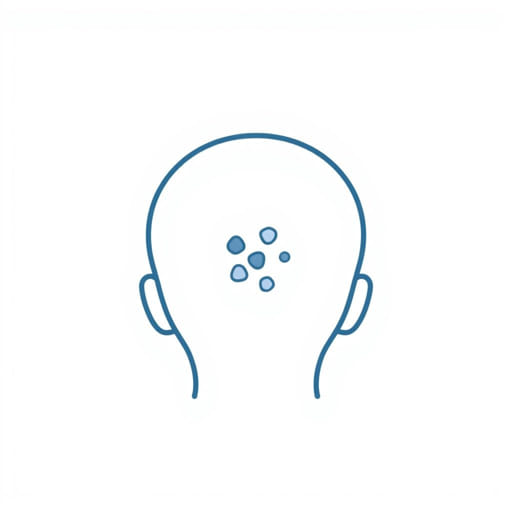
Many people associate yeast infections with specific parts of the body like the mouth or the genital area, but yeast can also affect the scalp. A yeast infection on the scalp may not be as commonly discussed, but it can be just as uncomfortable and persistent. This condition often results from an overgrowth of a fungus naturally present on the skin, primarily Malassezia. When this balance is disrupted, it can lead to redness, itching, scaling, and sometimes even hair loss if not treated properly. Understanding the causes, symptoms, and treatment options for scalp yeast infections is essential for anyone struggling with persistent scalp irritation or flaking that doesn’t respond to typical dandruff treatments.
Understanding Yeast Infection on the Scalp
What Is a Scalp Yeast Infection?
A scalp yeast infection is a fungal infection caused by an overgrowth of yeast on the skin of the scalp. The primary fungus responsible is Malassezia, which lives on most people’s skin without causing harm. However, under certain conditions, this fungus can multiply excessively, leading to inflammation and infection.
How It Differs from Dandruff
While dandruff is often caused by dry skin or sensitivity to hair products, it can also be triggered by fungal overgrowth. The difference is that a yeast infection is usually more severe and may be accompanied by other symptoms like oozing, odor, or crusting that go beyond regular flaking.
Common Causes of Scalp Yeast Infections
Several factors can contribute to the development of a yeast infection on the scalp. These include internal and external triggers that upset the natural balance of microorganisms on the skin.
- Overuse of hair products: Product buildup can trap moisture, creating a breeding ground for fungi.
- Poor hygiene: Infrequent washing can lead to oil and dead skin accumulation, encouraging fungal growth.
- Hot and humid weather: Yeast thrives in warm, moist environments.
- Compromised immune system: People with weakened immunity are more susceptible to infections.
- Excessive sweating: Sweat that sits on the scalp for long periods can cause fungal overgrowth.
- Use of antibiotics or steroids: These medications can disturb the natural microbial balance.
Signs and Symptoms of Scalp Yeast Infections
Identifying the symptoms early can help prevent complications such as hair thinning or secondary infections. Symptoms may vary depending on the severity and duration of the infection.
Common Symptoms Include:
- Persistent itching and burning sensation on the scalp
- Red, inflamed patches
- White or yellowish scaling, similar to dandruff
- Oily, greasy appearance in certain areas
- Crusting or oozing from the scalp
- Foul odor from the affected area
- Hair loss or thinning in infected patches
Diagnosis and Medical Evaluation
If you’re experiencing persistent scalp issues that don’t respond to over-the-counter shampoos, it’s important to consult a dermatologist. A proper diagnosis is key to effective treatment.
Diagnostic Methods May Include:
- Physical examination of the scalp
- Scraping of skin or scales for microscopic analysis
- Cultures to identify the exact fungal species
- Skin biopsy in severe or resistant cases
Treatment Options for Scalp Yeast Infections
Treating a scalp yeast infection typically involves antifungal therapies. These treatments aim to reduce fungal overgrowth, relieve symptoms, and restore the natural balance of the scalp.
Topical Treatments
- Medicated shampoos: Products containing ketoconazole, selenium sulfide, or zinc pyrithione are commonly used.
- Antifungal creams: Applied directly to small affected areas if needed.
- Natural oils: Tea tree oil and coconut oil may have mild antifungal properties but should be used cautiously to avoid irritation.
Oral Antifungal Medications
In more severe or widespread cases, oral antifungals such as fluconazole or itraconazole may be prescribed by a doctor. These are effective but usually reserved for stubborn infections that do not improve with topical treatment.
Supportive Care
- Keep the scalp clean and dry.
- Avoid oily hair products that can worsen the condition.
- Use gentle, sulfate-free shampoos between medicated washes.
- Minimize scratching to avoid secondary infections.
Home Remedies and Natural Approaches
Some people choose to supplement their treatment with home remedies, although these should never replace prescribed medical care.
- Apple cider vinegar: Diluted ACV may help reduce yeast due to its acidic nature.
- Aloe vera: Known for its soothing and anti-inflammatory effects.
- Probiotics: Taken orally to support gut and skin health, potentially reducing yeast overgrowth.
It’s important to test any natural remedy on a small patch of skin first and discontinue use if irritation occurs.
Preventing Future Scalp Yeast Infections
Once you’ve successfully treated a scalp yeast infection, taking preventive measures can help reduce the risk of recurrence.
Prevention Tips
- Wash your hair regularly, especially after sweating.
- Allow hair and scalp to dry completely after washing.
- Avoid sharing combs, brushes, or hats.
- Maintain a balanced diet low in sugar and yeast-promoting foods.
- Change pillowcases and hats frequently to reduce fungal contamination.
- Manage stress, which can affect immune response.
Complications of Untreated Infections
If left untreated, a scalp yeast infection can lead to chronic inflammation and even permanent hair loss. In some cases, secondary bacterial infections may occur, requiring antibiotics in addition to antifungals. Individuals with compromised immunity are particularly at risk for more serious complications and should seek early medical intervention.
When to See a Doctor
It’s advisable to see a healthcare provider if you experience:
- Symptoms lasting longer than two weeks
- Severe itching or pain
- Noticeable hair loss or bald spots
- Signs of infection such as pus or fever
Early diagnosis and treatment not only relieve discomfort but also prevent long-term damage to the scalp and hair follicles.
A yeast infection on the scalp can be a frustrating and persistent issue, often mistaken for other scalp conditions like dandruff or eczema. Recognizing the unique symptoms, seeking an accurate diagnosis, and applying the appropriate treatment are essential steps toward recovery. With good scalp hygiene, proper medical care, and preventive practices, most cases of scalp yeast infections can be effectively managed and even avoided in the future. If symptoms persist despite over-the-counter efforts, consulting a healthcare professional is the most reliable path to relief and long-term scalp health.