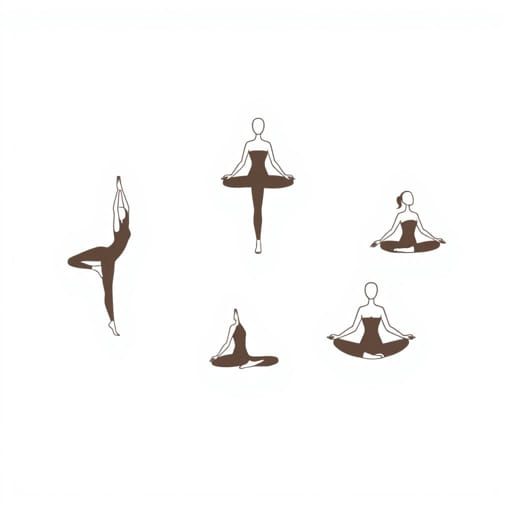
In our fast-paced world filled with distractions, overthinking, and constant stimulation, it’s easy to feel unbalanced and disconnected from our bodies. Many people experience restlessness, anxiety, or emotional instability due to this lack of grounding. Fortunately, yoga offers a powerful solution. Yoga poses for grounding help us reconnect with the earth, calm the nervous system, and bring awareness back to the present moment. By engaging the legs, activating the root chakra, and focusing on breath, these grounding postures offer stability and centeredness for both body and mind.
Why Grounding Matters in Yoga
The Concept of Grounding
Grounding in yoga refers to establishing a stable connection between the body and the earth. It’s both a physical and energetic process that involves feeling secure, rooted, and fully present. Grounding reduces anxiety, improves concentration, and brings emotional balance. In yogic philosophy, grounding activates the Muladhara or root chakra, located at the base of the spine, which governs our sense of safety and stability.
Signs You Need More Grounding
- Feeling anxious or emotionally overwhelmed
- Difficulty focusing or staying in the present
- Trouble sleeping or excessive mental chatter
- Fatigue or disconnection from the physical body
- Lack of motivation or feeling unsettled
Practicing grounding yoga poses can help alleviate these symptoms by anchoring you in your body and in the here and now.
Best Yoga Poses for Grounding
1. Mountain Pose (Tadasana)
Although it looks simple, Mountain Pose is a powerful grounding posture. It teaches alignment, builds strength, and encourages presence through stillness.
- How to do it: Stand with your feet hip-width apart. Distribute weight evenly through both feet. Engage your thighs, draw your shoulders back, and lift the crown of your head.
- Focus: Feel your feet press into the earth as your spine lifts upward, creating a sense of rooted expansion.
2. Tree Pose (Vrikshasana)
This balancing posture challenges your focus and stability while connecting you to the ground through one strong, rooted leg.
- How to do it: Shift your weight onto one foot. Place the opposite foot on the inside of the standing leg’s thigh or calf. Bring your palms together at your heart or reach them upward.
- Focus: Imagine roots growing from your standing foot deep into the earth, holding you steady.
3. Warrior I (Virabhadrasana I)
Warrior I is an energizing pose that helps develop strength, focus, and confidence while remaining grounded through the legs and feet.
- How to do it: Step one foot forward and bend the front knee over the ankle. Keep the back leg straight and grounded with the back foot turned out slightly. Raise your arms overhead and gaze forward.
- Focus: Feel the stability of your back leg pressing into the ground while your heart lifts with purpose.
4. Garland Pose (Malasana)
This deep squat is excellent for grounding as it connects the pelvis and feet to the floor, activating the root chakra and promoting digestion and emotional release.
- How to do it: Stand with your feet wider than hip-width. Bend your knees and lower your hips toward the ground, keeping your heels on the mat. Bring your palms together at your chest and press your elbows against your inner knees.
- Focus: Allow your hips to sink downward and feel your connection to the earth deepen with every breath.
5. Child’s Pose (Balasana)
A gentle, restorative pose that invites surrender and inward focus, Child’s Pose allows you to reconnect with your breath and feel grounded and supported.
- How to do it: Kneel on the floor, sit back on your heels, and fold forward, resting your torso on your thighs. Extend your arms in front of you or keep them by your sides.
- Focus: With your forehead resting on the mat, feel the ground support you as you release tension from the spine and shoulders.
6. Seated Forward Fold (Paschimottanasana)
This pose calms the mind, stretches the spine and hamstrings, and promotes introspection and grounding through stillness.
- How to do it: Sit with your legs extended in front of you. Inhale to lengthen the spine, then exhale and fold forward over your legs, reaching for your feet or shins.
- Focus: Allow gravity to assist you in folding inward, releasing stress and drawing energy downward into the earth.
7. Legs-Up-the-Wall Pose (Viparita Karani)
Though it may seem passive, this pose is a deeply grounding and calming inversion. It brings the nervous system into balance and supports relaxation.
- How to do it: Lie on your back and place your legs up against a wall. Rest your arms by your sides and close your eyes.
- Focus: Feel your spine sinking into the floor and allow the gentle inversion to refresh your body and mind.
Creating a Grounding Yoga Sequence
Suggested Sequence
Here’s a simple flow combining yoga poses for grounding. Practice slowly, with steady breath and focused awareness.
- Begin in Mountain Pose – focus on breath and alignment
- Move into Tree Pose – hold each side for 5-10 breaths
- Transition to Warrior I – feel strength and direction
- Lower into Garland Pose – stay for 5-8 breaths
- Shift into Seated Forward Fold – relax and release
- End with Legs-Up-the-Wall or Child’s Pose – rest for 5 minutes
Tips to Deepen Grounding in Yoga
- Use a yoga mat that offers a stable, non-slip surface
- Practice barefoot to feel direct contact with the earth
- Breathe deeply into the belly to activate the parasympathetic nervous system
- Visualize roots extending from your body into the ground
- Choose calming music or nature sounds to enhance the environment
Grounding Beyond the Mat
Incorporate Nature
Practicing outdoors, especially on grass, sand, or soil, amplifies grounding. Walking barefoot, known as earthing, is another effective method to reconnect with nature’s energy.
Mindful Activities
Grounding doesn’t end with yoga. Gardening, cooking, journaling, and spending time with loved ones are grounding practices that bring you into the present. Combine them with your yoga routine for lasting balance.
Root Down to Rise Up
Yoga poses for grounding offer more than physical stability they are tools for emotional resilience, inner peace, and spiritual connection. When you root yourself through these postures, you build a solid foundation for growth and transformation. In a world that often pulls us away from our center, grounding yoga reminds us to come home to our bodies, our breath, and the Earth beneath our feet. By practicing regularly and with intention, you will cultivate a deeper sense of safety, clarity, and strength within yourself.