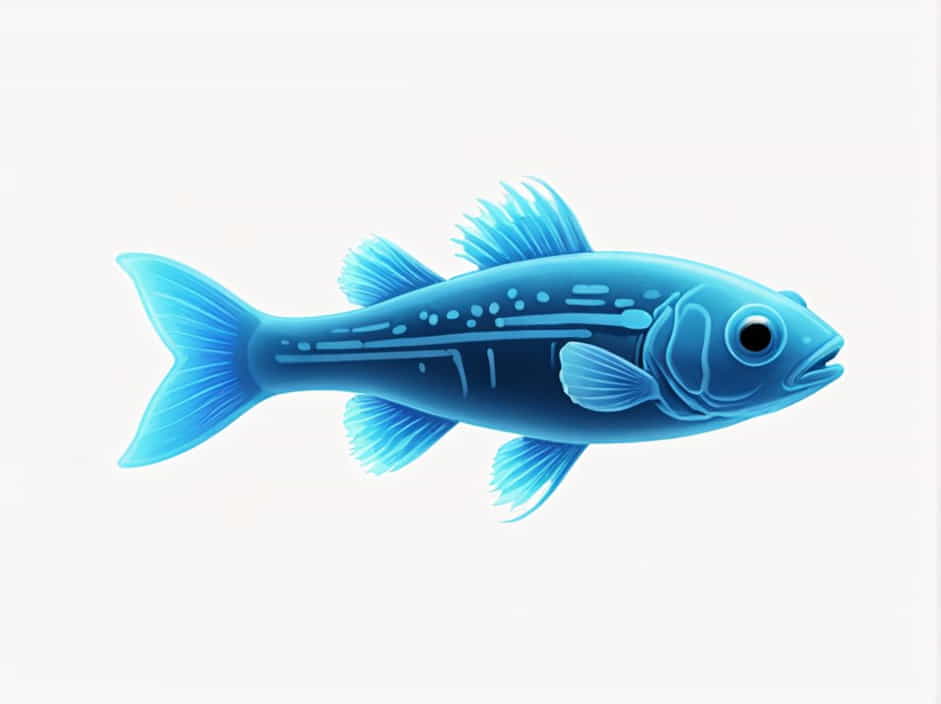
Zebrafish (Danio rerio) have become one of the most important animal models in cancer research. Their transparent embryos, rapid development, and genetic similarity to humans make zebrafish in vivo models of cancer and metastasis highly valuable. These models help scientists study tumor growth, cancer progression, and metastatic spread in a living organism. Understanding zebrafish cancer models can provide valuable insights into how tumors form, how cancer cells migrate, and how new treatments can be developed.
Why Use Zebrafish for Cancer Research?
1. Genetic Similarity
Zebrafish share approximately 70% of their genes with humans, including many genes associated with cancer. This makes them an excellent model to study human disease processes.
2. Transparent Embryos
One of the biggest advantages of zebrafish in vivo models is their transparent embryos. Researchers can directly observe cancer cell behavior under a microscope without invasive procedures.
3. Rapid Development
Zebrafish embryos develop quickly, with major organs forming within 24 hours. This allows for fast observation of tumor progression and metastatic spread.
4. High Fertility and Easy Maintenance
A single pair of zebrafish can produce hundreds of embryos, providing large sample sizes for experiments. They are also relatively easy and inexpensive to maintain in laboratory settings.
Zebrafish as In Vivo Models of Cancer
Zebrafish in vivo models of cancer are created by introducing human cancer cells or modifying zebrafish genes to develop tumors. Researchers can then study cancer growth and metastasis in a living, breathing organism.
Types of Cancer Studied in Zebrafish Models
-
Melanoma
-
Leukemia
-
Breast cancer
-
Prostate cancer
-
Pancreatic cancer
-
Brain tumors
These models help scientists observe how cancer cells behave, how tumors grow, and how cancer spreads to other parts of the body.
How Are Zebrafish Cancer Models Created?
1. Xenograft Models
In zebrafish xenograft models, human cancer cells are injected into zebrafish embryos or larvae. Due to the zebrafish’s transparency and immature immune system, these cells can grow and migrate without being rejected. This method allows researchers to study human tumor growth and drug responses in real time.
2. Genetic Manipulation
Scientists can genetically modify zebrafish to carry mutations found in human cancers. These genetic zebrafish cancer models develop tumors naturally, enabling the study of cancer formation and progression over time.
3. Chemical Induction
Certain chemicals can trigger tumor development in zebrafish. This allows researchers to test how environmental factors contribute to cancer and observe tumor formation and spread.
Studying Metastasis Using Zebrafish
Metastasis is the process where cancer cells spread from the original tumor to other parts of the body. Understanding metastasis is key to developing effective treatments. Zebrafish in vivo models of metastasis provide a powerful platform to observe this process.
Visualizing Cancer Cell Migration
Because zebrafish embryos are transparent, researchers can directly watch cancer cells move, invade tissues, and establish secondary tumors. This real-time observation helps scientists understand the stages of metastasis.
Testing Anti-Metastatic Drugs
Zebrafish models are used to test potential drugs that may prevent cancer cells from spreading. Researchers can inject cancer cells and then introduce drugs to see if they reduce cell migration and metastasis.
Advantages of Zebrafish Models in Cancer and Metastasis Research
1. Live Imaging
The ability to visualize tumors and metastasis in real time is one of the most significant advantages of zebrafish models.
2. High-Throughput Screening
Because of their small size and large numbers, zebrafish are ideal for high-throughput drug screening. Researchers can test many compounds quickly and see which ones inhibit tumor growth or metastasis.
3. Low Cost
Maintaining zebrafish is far more affordable than other animal models like mice or rats, allowing for more extensive research at a lower cost.
4. Fast Results
Zebrafish grow and develop rapidly, which means researchers can obtain results much faster than with mammalian models.
Limitations of Zebrafish Cancer Models
While zebrafish in vivo models of cancer and metastasis are powerful, they do have some limitations.
1. Differences Between Fish and Humans
Despite genetic similarities, zebrafish are still fish. Their physiology differs from humans, and results may not always translate directly.
2. Immature Immune System
In early stages, zebrafish embryos lack a fully developed immune system. This is an advantage for xenografts but limits the ability to study immune responses to cancer.
3. Temperature Constraints
Zebrafish live at lower temperatures than human cells. Human cancer cells in zebrafish models are typically studied at 34°C, which is cooler than the human body. This temperature difference may affect cell behavior.
Recent Discoveries Using Zebrafish Models
Research using zebrafish models has led to important findings in cancer biology.
1. Angiogenesis
Zebrafish models have helped scientists study angiogenesis – the formation of new blood vessels that supply tumors with nutrients. Researchers can observe how tumors stimulate vessel growth and test drugs that block this process.
2. Tumor Microenvironment
Zebrafish in vivo models allow researchers to study how cancer cells interact with their surrounding environment, including immune cells, blood vessels, and connective tissue.
3. Cancer Stem Cells
Some studies have used zebrafish to investigate the role of cancer stem cells in tumor growth and recurrence. These findings are crucial for developing therapies that prevent cancer from returning after treatment.
Zebrafish and Personalized Medicine
Another exciting application of zebrafish cancer models is in personalized medicine. Doctors can implant a patient’s tumor cells into zebrafish and test different treatments to see which one works best. This approach could help tailor cancer therapy to each patient, increasing the chances of successful treatment.
Future of Zebrafish in Cancer Research
The future of zebrafish in vivo models of cancer and metastasis looks promising. Scientists are developing advanced genetic tools and imaging techniques to study cancer at the cellular level. New technologies are making it possible to observe cancer cell behavior with even greater detail.
Areas of Future Growth:
-
Immune-oncology studies to understand how cancer evades the immune system.
-
Combination drug testing to find the most effective treatment strategies.
-
Gene-editing technologies like CRISPR to create even more precise cancer models.
Zebrafish in vivo models of cancer and metastasis have revolutionized cancer research. Their genetic similarity to humans, transparent embryos, and rapid development make them ideal for studying tumor growth, metastasis, and drug responses. Scientists use these models to visualize cancer cell behavior in real time, test anti-cancer drugs, and develop personalized treatment strategies.
Despite some limitations, zebrafish remain a powerful tool for cancer research. As technologies advance, zebrafish models will continue to play a vital role in understanding cancer biology and finding new ways to combat this complex disease. By unlocking the secrets of cancer through zebrafish, researchers are paving the way for more effective treatments and, ultimately, hope for patients worldwide.