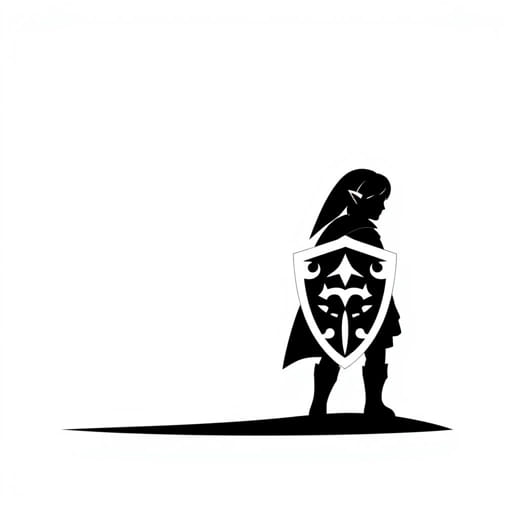
WhenThe Legend of Zelda: Skyward Swordreleased for the Nintendo Wii in 2011, it marked a bold step forward for the franchise. It combined motion-controlled swordplay with a deep origin story that laid the foundation for the entire Zelda timeline. As a Wii-exclusive title at the time, Skyward Sword pushed the console’s capabilities to the limit, offering players a unique way to interact with the world of Hyrule using the Wii Remote and Nunchuk. The game was more than just a Zelda title it was an ambitious reinvention of the series’ mechanics, narrative structure, and visual design, tailored specifically for the Wii system.
Overview of Zelda Skyward Sword on Wii
A Prequel to the Zelda Timeline
Skyward Sword is set at the very beginning of the official Zelda timeline. It tells the story of Link and Zelda before the establishment of Hyrule as a kingdom, exploring their deep connection and introducing the origin of the Master Sword. The game takes place in a world divided between a floating civilization in the skies and a dangerous surface world below.
This installment plays a vital role in the Zelda lore. It explains the emergence of evil in the form of Demise, whose curse ultimately leads to the recurring cycle of conflict between Link, Zelda, and Ganon throughout the series. This lore-rich narrative gave longtime fans a deeper understanding of the universe.
Exclusive to the Nintendo Wii
Skyward Sword was built around the capabilities of the Wii, utilizing the Wii MotionPlus accessory to deliver precise 1: 1 motion controls. This feature allowed players to physically swing their sword in various directions, solving puzzles and defeating enemies with accuracy based on their movements. It was an immersive experience that brought a new layer of interactivity to the series.
Gameplay Mechanics
Motion Controls
The most notable feature of Skyward Sword on Wii is its motion-controlled gameplay. Players used the Wii Remote to swing Link’s sword in real-time, aiming for enemy weak points and using directional slashes to counter various defenses. The Nunchuk handled shield blocking and item usage.
Combat required players to think and act more deliberately. Simple button mashing no longer worked, as enemies would block attacks unless players chose the correct angle. Even puzzles relied on motion, such as balancing objects or rotating keys in locks.
Flight and Exploration
Skyward Sword introduced the Loftwing, a giant bird used for flying between floating islands in the sky. This aerial mode of travel added a new dimension to exploration and navigation. Players launched off Skyloft, the central hub of the game, and explored surrounding islands for side quests, treasure, and mini-games.
Dungeon Design and Puzzle Solving
Dungeons in Skyward Sword were intricately designed, blending combat, puzzle-solving, and thematic storytelling. Each dungeon introduced new mechanics based on items like the Beetle, Whip, and Gust Bellows. Players had to use motion controls not just for fighting but to manipulate their environment creatively.
Main Features of Skyward Sword Wii
- 1: 1 Sword Combat: Real-time sword movements based on the player’s exact hand motions.
- Interactive Item System: Items like the Slingshot, Bow, and Bombs all used motion aiming.
- Upgradable Gear: A crafting system allowed for upgrading shields, pouches, and more using gathered materials.
- Stamina System: Link’s stamina was introduced, affecting running, climbing, and certain attacks.
- Sky and Surface Worlds: A dual-layer world design separated sky travel from ground exploration.
Visual Style and Audio
Art Direction Inspired by Impressionism
Skyward Sword adopted a vibrant, watercolor-inspired art style that blended realism with stylized aesthetics. This was partially a design choice to accommodate the Wii’s hardware limitations while still delivering a visually distinct game. The result was a world that looked like a living painting, rich in color and expression.
Orchestrated Soundtrack
The game also marked the first time a Zelda title featured a fully orchestrated soundtrack. Themes like ‘Ballad of the Goddess’ and dungeon music were performed with live instruments, enhancing the emotional impact of each moment. The music dynamically shifted depending on the scene, battle, or character interaction.
Reception and Legacy
Critical Response
Upon release, Skyward Sword received widespread praise for its ambitious gameplay, strong narrative, and creative use of motion controls. Critics noted that the motion controls were both the game’s biggest strength and a potential barrier for some players. The pacing, especially in early sections, was slower compared to other Zelda titles, but the overall experience was deeply rewarding.
Influence on Future Zelda Games
Skyward Sword influenced future Zelda titles in several ways. Its stamina system and climbable surfaces reappeared inBreath of the Wild. The emphasis on vertical level design and a more personal story between Link and Zelda set the tone for narrative approaches in later entries.
Re-release and Re-evaluation
Although originally tied closely to the Wii hardware, Skyward Sword was later remastered for the Nintendo Switch. However, the Wii version remains a unique experience because of its original motion design and the intent behind its gameplay systems. Playing it on Wii feels distinct and nostalgic, especially for fans who enjoyed motion gaming at its peak.
Tips for Playing Skyward Sword on Wii
Mastering Controls
- Ensure your Wii Remote has the MotionPlus accessory or use a Wii Remote Plus for better accuracy.
- Keep your hand movements controlled and deliberate. The game reads the angle and speed of every swing.
- Recalibrate often. If your aiming or sword strikes feel off, recalibrate in the pause menu or using the in-game prompts.
Exploring Thoroughly
- Don’t rush the story. Talk to NPCs in Skyloft and side islands to unlock helpful upgrades and mini-games.
- Collect bugs and treasures. These are used for item upgrades that can make combat and exploration easier.
- Visit the Bazaar regularly. Vendors sell items, upgrade your gear, and help with potion mixing.
Why Skyward Sword Wii Remains Important
Though newer entries likeBreath of the WildandTears of the Kingdomhave expanded the Zelda experience, Skyward Sword Wii remains a cornerstone of the series. It bridged classic dungeon-based exploration with innovative control schemes and gave the lore a meaningful foundation. For players seeking to understand the roots of the Zelda mythos or experience a hands-on, immersive take on swordplay, the original Wii version offers something timeless.
In a world where motion controls have become a rare feature, Skyward Sword on Wii stands as a bold reminder of Nintendo’s willingness to innovate. It’s a game that requires patience, intention, and coordination but in return, it provides a Zelda experience unlike any other. Whether you’re a longtime fan or discovering it for the first time, Skyward Sword on the Wii is worth revisiting for its story, its gameplay, and its unique place in the legacy of the Legend of Zelda.